Luxury handbags don't usually make headlines in financial crime cases—but in Vietnam, two Hermès Birkin bags have done exactly that.
Confiscated from jailed businesswoman Truong My Lan, the bags were recently auctioned for almost £400,000. And it became an unexpected yet striking part of the country's massive asset recovery effort.
What might look like fashion collectibles on the surface are now being used to help recover billions in court-ordered repayments.
The sale is part of Vietnam's wider push to reclaim funds linked to one of its most significant banking fraud cases. With thousands of seized assets and a restitution target running into tens of billions, even luxury accessories are being pulled into the financial cleanup operation.
Birkin Bags End Up Funding a Recovery Effort
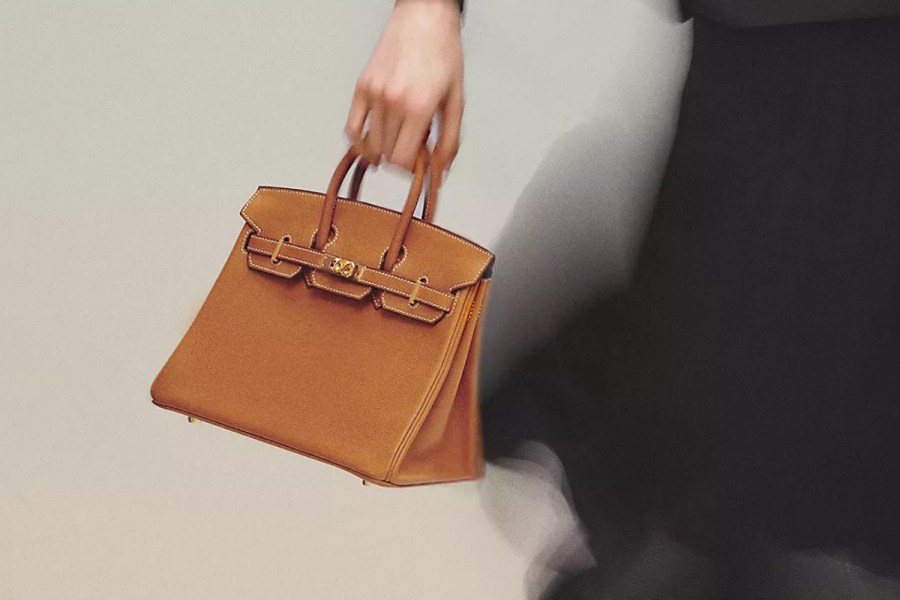
It didn't take long for these handbags to sell. It just took 30 minutes of bidding and they were gone. According to BBC, the two Hermès Birkin bags fetched a combined total of over $535,000 (£399,000).
One white Birkin alone stole the show, selling for $440,144 (over £347,000), while the second bag went for $94,858 (over £74,000). Both were snapped up quickly at a government-run auction in Ho Chi Minh City, part of a larger batch of around 1,200 seized assets.
These bags were previously owned by Lan, whose case has become one of Vietnam's most talked-about financial scandals.
Two luxury handbags confiscated from jailed Vietnamese businesswoman Truong My Lan have sold for more than $535,000 (£399,000) in a government auction. https://t.co/1qoLrPrhJK pic.twitter.com/VyFUBu1YDB
— Uzalendo News (@UzalendoNews_KE) May 22, 2026
Truong My Lan: The Tycoon Behind the Fraud Case
Truong My Lan is a Vietnamese real estate tycoon whose legal case has shocked the country's financial sector.
She was found guilty of secretly controlling Saigon Commercial Bank and orchestrating a long-running scheme involving massive loans and cash movements over more than a decade.
The numbers involved are staggering. Authorities estimate the fraud and related losses at around $44 billion (approximately £34 billion), with courts ordering her to repay roughly $27 billion (approximately £21 billion) in reparations.
She was originally sentenced to death in April 2024, but the sentence was later commuted to life imprisonment after legal changes in Vietnam. During her trial, she reportedly asked to keep the two Birkin bags as personal keepsakes for her family—one purchased in Italy, the other said to be a gift from a Malaysian businessman.
But instead, they became part of the state's asset recovery process.
Vietnamese property tycoon Truong My Lan pleaded with the court to let her keep two Hermes Birkin Himalaya handbags after she was convicted of embezzling more than $12 billion https://t.co/x8onxMqi35
— Bloomberg (@business) January 29, 2026
How Birkin Bags Became Luxury Assets
At first glance, it might seem surprising that handbags can sell for hundreds of thousands of pounds. But in the world of luxury fashion, Hermès Birkin bags sit in a category of their own.
The demand is driven by one major factor — scarcity. Hermès deliberately limits production and tightly controls who can buy its most iconic pieces. That exclusivity keeps waiting lists long—and resale prices even higher.
Think of it less like buying a handbag and more like acquiring a collectible asset. Certain Birkin bags, especially rare editions or exotic materials, can appreciate in value over time. That's why collectors and investors often treat them like wearable investments rather than accessories.
In fact, auction houses have repeatedly shown how high the ceiling can go. Sotheby's has highlighted Birkin bags selling for tens of thousands of pounds at entry level, while ultra-rare pieces have reached record-breaking figures in the millions.
One historic sale in Paris even saw a Birkin achieve around £7.4 million, underlining just how extreme the top end of this market can be.
The reason? Simple economics—low supply, high demand, and a brand that has turned exclusivity into a business model.
From Luxury Goods to Liquidated Assets
The Hermès bags were just a small part of a much larger operation. Vietnam's asset recovery programme includes thousands of seized items, all being liquidated through official channels in Ho Chi Minh City.
The goal is to convert assets linked to financial wrongdoing into recoverable funds. And in cases like this, even luxury fashion items play a role in closing the gap on massive financial obligations.
What's interesting is how quickly these items move. The Birkin bags sold within half an hour, showing that demand for high-end luxury remains incredibly strong—even when tied to legal controversies.
It also highlights something broader that luxury goods aren't just symbols anymore; they're liquid assets in global markets.