Luxury fashion's recovery story may finally be taking shape, and at its center is Chanel.
After several turbulent years marked by slowing sales, consumer fatigue, and criticism over relentless price hikes, the French maison is staging a notable comeback in China. The turnaround comes as luxury brands worldwide rethink their operations amid economic uncertainty, cautious spending, and shifting consumer priorities.
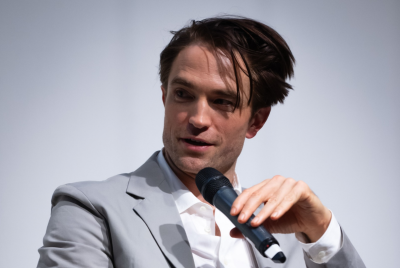
The revival is being driven largely by excitement surrounding creative director Matthieu Blazy, whose first collections for Chanel have sparked what insiders are calling 'Blazy Mania.' His arrival appears to have reignited enthusiasm among both loyal clients and younger luxury shoppers eager for a fresh interpretation of the brand's iconic codes.
According to company figures, Chanel reported a 2 percent increase in revenue in 2025, reaching US$19.3 billion after a difficult previous year in which sales had contracted. Operating profits also climbed 5 percent to US$4.7 billion, suggesting that the house's long-term investment strategy is beginning to pay off, CNA Luxury reported.
While many luxury groups continue to struggle with weakening demand in Asia, Chanel executives say sales in China, Hong Kong, and Taiwan turned positive in late 2025 and have continued improving throughout 2026.
Luxury Brands Shift From Expansion To Emotional Value
The broader luxury market has been under pressure since the post-pandemic spending boom faded. Chinese consumers, once responsible for a significant share of global luxury purchases, became increasingly selective amid economic concerns, a property slowdown, and declining consumer confidence.
According to Reuters, rather than relying solely on aggressive price increases, Chanel is taking a different approach. The company has doubled down on craftsmanship, exclusivity, and emotional connection, investing heavily in boutique experiences, supply chains, and product quality.
Last year alone, Chanel spent roughly US$700 million to acquire suppliers and strengthen its production network. The company also opened dozens of boutiques globally while selectively expanding its presence in China, including reopening a Shanghai boutique and adding new beauty locations.
Industry analysts believe the strategy reflects a wider shift happening across luxury fashion. Instead of chasing rapid growth, brands are increasingly focusing on creating scarcity, strengthening heritage, and building deeper relationships with top-tier clients.
'Prestige luxury' labels with strong brand equity, such as Chanel and Hermès, are proving more resilient than competitors in the aspirational luxury segment.
Matthieu Blazy's Creative Reset Is Winning Over Shoppers
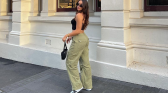
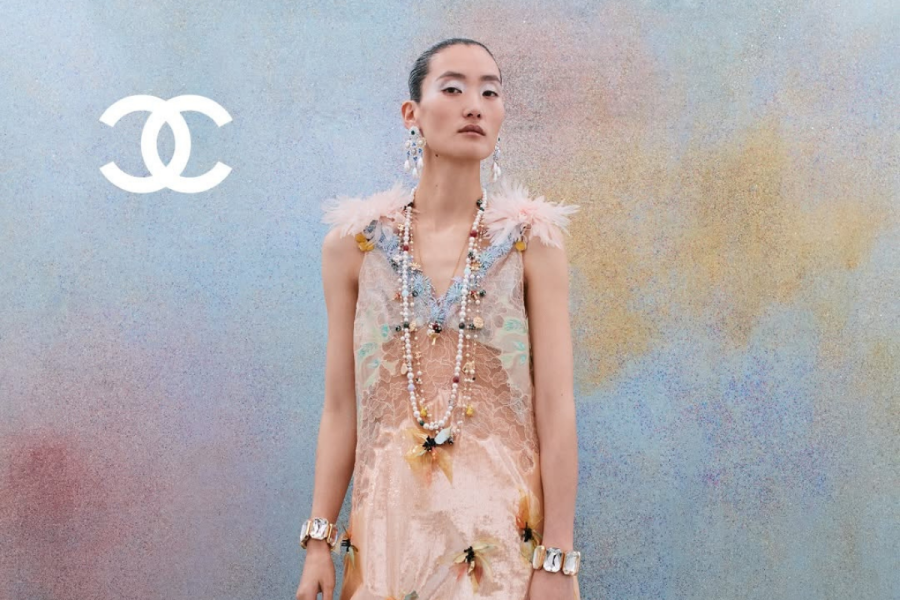
Blazy's influence has been impossible to ignore. His reimagined tweed jackets, slouchy handbags, and more relaxed silhouettes have injected fresh energy into Chanel while preserving the house's signature elegance. Retailers report strong demand for his debut collections, with some pieces reportedly selling out quickly.
The renewed excitement has also generated significant buzz online, particularly among younger consumers who had previously viewed Chanel as overly traditional or inaccessible.
Social media reactions remain divided as they often do when a heritage house reinvents itself, but even criticism has kept the brand firmly in fashion conversations. On Reddit and fashion forums, some users praised Blazy's modern direction, while others questioned whether the designs veered too far from classic Chanel aesthetics.
Still, in an industry increasingly shaped by uncertainty, Chanel's rebound offers a powerful lesson: creativity, cultural relevance, and strategic patience may matter more than rapid expansion.
As luxury brands navigate a fragile global economy, Chanel's China comeback suggests the future of fashion may belong to houses willing to evolve carefully without abandoning the exclusivity and storytelling that made them desirable in the first place.