Channel 4 has cancelled Married at First Sight UK following serious allegations of sexual misconduct, including claims of rape made by former female contestants. This brings the reality dating show's 10-year run to an end after an external review examined the welfare measures used to protect participants during filming.
The broadcaster confirmed that the programme would not return, despite the review finding that its existing protocols were extensive and generally met industry standards. The decision follows months of scrutiny over how allegations involving former participants were handled.
Married at First Sight UK Cancelled
Channel 4 confirmed that Married at First Sight UK would not return following the completion of its external reviews into contributor welfare. The broadcaster also decided against airing the series that had already been filmed while the investigations were taking place.
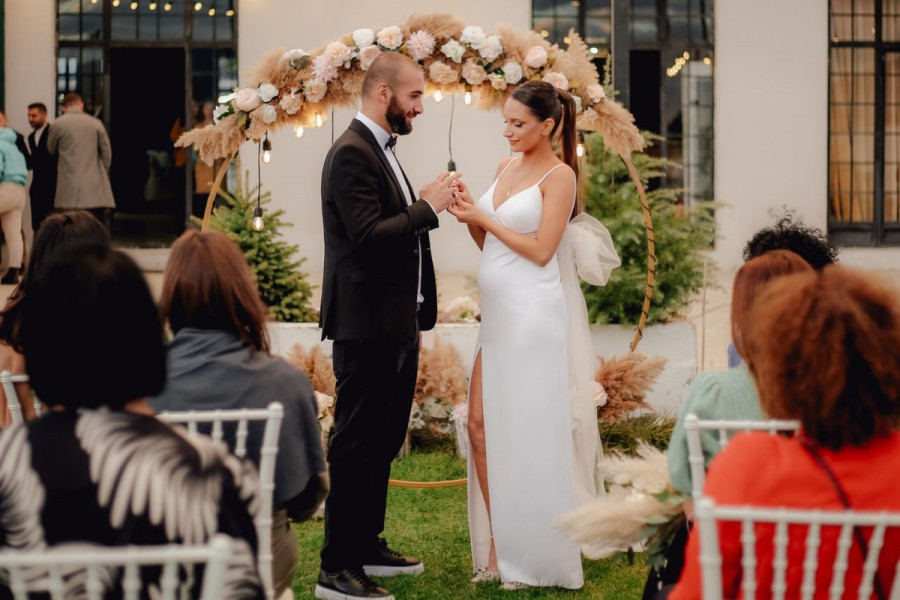
The decision marks the end of one of the channel's established reality television formats. The programme followed single people matched by relationship experts, who met their prospective partners for the first time at their wedding ceremonies.
Although the marriages were not legally binding, contestants lived together and went on honeymoons. They also attended commitment ceremonies while cameras documented their experiences.
The cancellation also affects the planned spin-off, Second Married at First Sight, which will no longer go ahead, according to reports.
‘Married at First Sight UK’ has been cancelled after multiple women made sexual assault allegations against their onscreen husbands.
— Pop Base (@PopBase) November 5, 2026
Channel 4 previously removed all episodes of the show from streaming earlier this year. pic.twitter.com/fCY3elCGU3
Two Brides Allege They Were Raped
The controversy intensified after three former female participants raised allegations of sexual misconduct involving their on-screen husbands.
In a BBC Panorama investigation broadcast in May 2026, two women alleged that they had been raped during their time on the programme. One woman also claimed that her on-screen husband threatened her with an acid attack.


Former contestant Shona Manderson publicly accused her television husband, Brad Skelly, of a non-consensual sexual act. Manderson, who appeared on the 2023 series, alleged that Skelly ejaculated inside her without her consent.
Skelly denied the allegations. In a statement to the BBC, he said he understood that Manderson had consented and rejected claims of sexual misconduct or controlling behaviour. Meanwhile, the other men accused by the women have also denied the allegations.
Channel 4 had previously acknowledged receiving serious allegations against a small number of former participants. The broadcaster said the individuals accused had disputed the claims and stressed that it could not adjudicate on the allegations.
The investigation also questioned how producers handled complaints. It found that episodes featuring one woman aired despite allegations being raised beforehand.
Married At First Sight rape scandal is 'the tip of the iceberg' in reality TV, warns lawyer who says more female contestants have been subjected to abuse on dating shows https://t.co/9u7B45KGdG
— Daily Mail (@DailyMail) May 23, 2026
What the External Reviews Found
The cancellation followed two separate reviews commissioned by Channel 4. Law firm Clyde & Co examined the broadcaster's and production company CPL's handling of the allegations, while former BBC One controller Lorraine Heggessey assessed the programme's existing welfare arrangements.
The legal review found that Channel 4 and CPL's welfare protocols complied with the Ofcom Broadcasting Coder. However, it identified isolated incidents in which the established framework had not been fully implemented, alongside areas where additional safeguards could improve the system.
The second review described the programme's welfare procedures as extensive, thorough and of a high standard. Nevertheless, it highlighted concerns about certain elements of the show's format, including the possibility that contestants could feel implicitly pressured to become intimate with their partners.
The recommendations included changes to activities involving intimacy and partner swapping. They also called for fewer discussions about contestants' sex lives and changes to the show's controversial decision-making process.
Neither investigation attempted to determine whether the sexual misconduct allegations were true. Those matters remain for the relevant authorities.