Parents are being urged to take a closer look at popular squishy toys after Amazon began removing some counterfeit products amid concerns they could contain hazardous substances including lead and phthalates.
The warning comes from the US Consumer Product Safety Commission (CPSC), which says fake and non-compliant squishy toys can pose a range of risks to children. The agency has identified dozens of shipments containing unsafe products and stopped hundreds of thousands of individual toys from entering the US market.
Why Squishy Toys Are Under Scrutiny
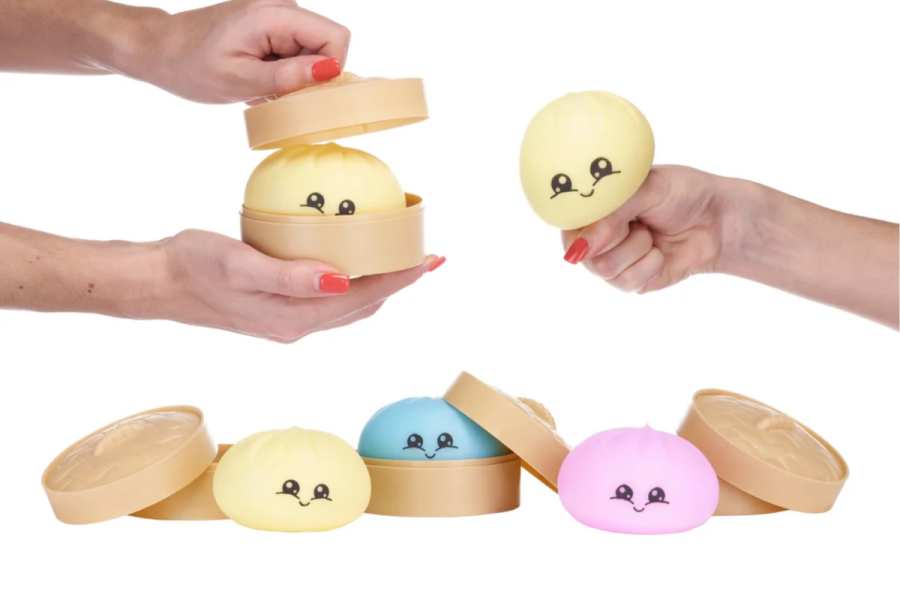
Squishy toys have become hugely popular, with soft animal, food and character-shaped designs widely sold through online marketplaces, social media shops and discount retailers.
But the CPSC has warned that counterfeit versions may not have undergone the safety testing required for children's products. Some may contain excessive levels of lead, prohibited phthalates, small parts or water beads, while others may be filled with gels, liquids, powders or sand.
The agency says counterfeit toys may also lack important information such as age warnings, manufacturer details, tracking information and safety instructions.
The scale of the issue has raised concerns. The CPSC says it has identified 55 shipments of non-compliant squishy toys at US ports and worked with US Customs and Border Protection to prevent 355,683 units from entering the country.
What Makes Counterfeit Toys Dangerous?
The biggest concern is what could happen if a toy breaks or tears during normal play.
If the outer material splits, children could come into contact with unknown substances inside the toy. Water beads are particularly concerning because they can expand after being swallowed and potentially cause intestinal blockages, choking or other serious injuries.
Small parts can also become a choking hazard, while unknown filling materials could create risks through swallowing, inhalation or chemical exposure.
Lead and certain phthalates are another concern because counterfeit products may not comply with the safety limits that apply to children's toys. Parents should be cautious about assuming that a toy is safe simply because it looks identical to a familiar product.
How To Spot a Fake Squishy Toy
The CPSC has highlighted several warning signs that could indicate a squishy toy is counterfeit or unsafe.
Parents should be wary if a toy has a strong chemical smell, feels unusually oily or sticky, leaks or can be torn apart easily. Missing manufacturer information, safety warnings or age grading should also raise concerns.
The seller is important, too. Products bought from unfamiliar online sellers or offered at unusually low prices may warrant extra scrutiny. If there is no clear information about who made the toy or where it came from, parents may want to avoid buying it altogether.
Never Heat or Microwave a Squishy Toy
The CPSC has also repeated a separate warning about a dangerous social media trend involving squishy toys.
Videos circulating online have shown toys being heated or microwaved until they expand, change texture or burst. The agency says people should never attempt these experiments.
Excessive heat can make a squishy toy dangerously hot or cause it to rupture, potentially releasing its contents and causing burns. The risk isn't limited to microwaves: toys can also become dangerously hot when left in direct sunlight, inside a hot car, or near another heat source.
What Parents Should Do Now
The warning does not mean every squishy toy is dangerous or that parents should automatically throw away their children's toys. The particular concern is counterfeit and non-compliant products, as well as toys that have been damaged or exposed to excessive heat.
Parents should check existing toys for tears, leaks, unusual stickiness or missing safety information. Remove any toy showing these signs from children.
It is also important to explain to children that viral videos showing toys being heated are not safe experiments to copy.
With counterfeit toys increasingly appearing across online marketplaces, checking the seller, packaging, manufacturer information and condition of the product could help parents avoid a potentially dangerous purchase.