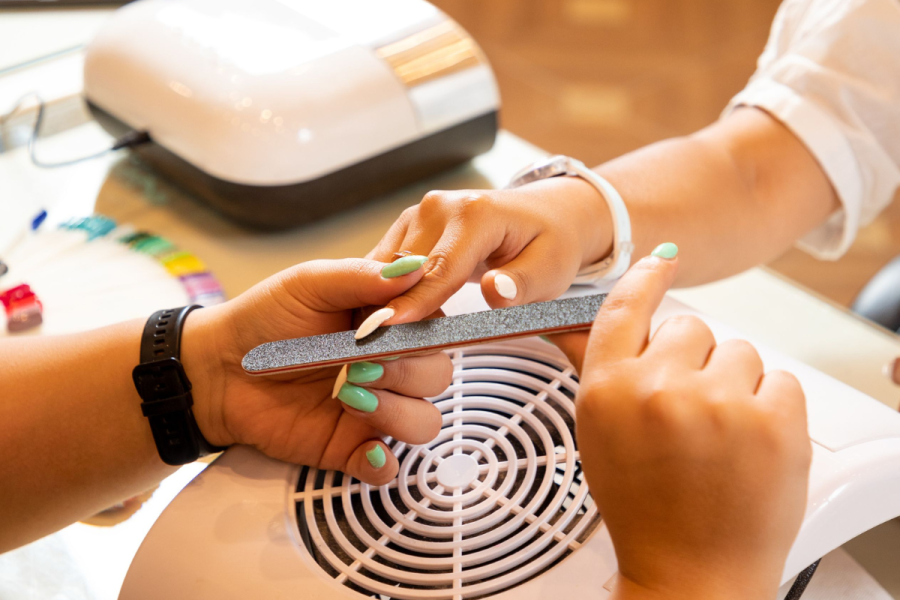
If you have a gel manicure booked, there is no need to panic. New rules taking effect in Great Britain are targeting a specific chemical used in some gel nail products, rather than banning gel manicures. The ingredient in question is trimethylbenzoyl diphenylphosphine oxide, better known as TPO, which helps gel polish cure under UV or LED lamps.
The crackdown comes after TPO was classified as a Category 1B reproductive toxicant under chemical safety rules, prompting concerns about its potential effects on fertility and reproduction. However, this should not be confused with proof that ordinary gel manicures cause infertility. The regulatory move is precautionary, meaning the biggest change for customers is likely to be the formulation inside their favourite products rather than the disappearance of gel nails from salons.
What Is Actually Being Banned?
TPO is a photoinitiator, which means it helps gel products harden when exposed to UV or LED light. It has been used in some gel nail formulas because of its curing performance and ability to help create the durable, glossy finish associated with gel manicures.
The ingredient has now been added to the list of substances prohibited in cosmetic products in Great Britain. The change follows its classification as a substance toxic to reproduction under the relevant chemical safety rules.
Importantly, the regulation targets TPO itself, not the entire category of gel nail treatments.
The Key Dates To Know
The new restrictions are being introduced in stages, giving the beauty industry time to transition to alternative formulations.
From 15 August 2026, manufacturers and importers can no longer place cosmetic products containing TPO on the Great Britain market.
A second deadline arrives on 14 February 2027, when TPO-containing products can no longer be made available through the normal commercial supply chain.
There is an important distinction for nail technicians. Industry guidance says professionals in Great Britain may continue using TPO-containing products they have already purchased after the February deadline, although they will not be able to buy additional TPO products from distributors.
This means salons are not being forced to throw away every affected bottle overnight.
Are Gel Manicures Still Legal?
Yes. Gel manicures, builder gel and BIAB treatments have not been outlawed.
Salons can continue offering these services as long as they use compliant products. Many brands have already moved towards TPO-free formulations, meaning customers may notice little or no difference to the appearance or durability of their manicure.
Alternative photoinitiators can perform the curing function needed for UV- and LED-cured nail products. As a result, the industry is adapting its formulas rather than abandoning gel manicures altogether.
For beauty fans, this is perhaps the most reassuring part of the new rules. The glossy finish, long wear and wide range of colours associated with gel nails are not disappearing simply because TPO is being phased out.
Why Has TPO Raised Fertility Concerns?
The biggest concern surrounding TPO comes from its classification as a reproductive toxicant.
That classification means regulators recognise the chemical as having properties that could pose a risk to reproductive health under certain exposure conditions. It is important, however, not to turn that regulatory classification into a claim that everyday gel manicures have been proven to cause fertility problems.
The industry has described the decision as a precaution based on the chemical's hazardous properties and exposure assessments. Earlier scientific assessments had also considered TPO's use in cosmetic nail products at specified concentrations.
In other words, the new rule does not mean that everyone who has previously had a gel manicure containing TPO has been exposed to proven reproductive harm.
What Should Customers Ask Their Salon?
Anyone feeling uneasy about the change can take a simple step before their next appointment: ask whether the products being used are TPO-free. Customers can also check ingredient information on products used at home. The full ingredient name to look out for is Trimethylbenzoyl Diphenylphosphine Oxide.
Reputable salons should be able to tell customers which professional products they use and whether their formulas comply with the latest rules. Many businesses have already transitioned to TPO-free systems ahead of the deadline.
There is also an important geographical distinction. The 2026 and 2027 rules apply to England, Scotland and Wales. Northern Ireland follows EU cosmetics legislation, where TPO restrictions have already been in place since September 2025.
Gel Nails Are Staying, But the Chemistry Is Changing
The UK's latest cosmetics crackdown may sound like the end of gel manicures, but that is not what is happening.
Instead, regulators are removing TPO from cosmetic products following concerns about its reproductive toxicity classification. The beauty industry has responded by developing and adopting alternative formulations that allow gel manicures to continue.
So, while the chemical behind some gel products is being phased out, the manicure itself is going nowhere. For customers, the change is likely to happen largely behind the scenes, with salons switching to TPO-free formulas while continuing to offer the long-lasting, glossy finishes that have made gel nails a beauty staple.