
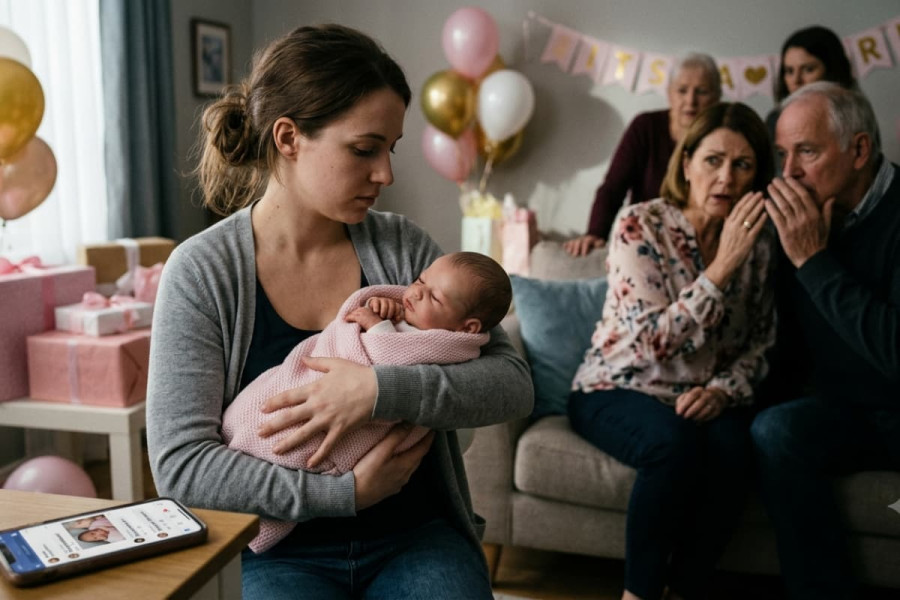
A Scottish woman who orchestrated an elaborate fake pregnancy has sparked fresh outrage after reportedly calling members of her former partner's family 'stupid' for believing her deception. The incident, which has attracted widespread attention online, has left loved ones shocked after discovering that the supposed newborn was actually a realistic reborn doll.
Kira Cousins, 23, from Airdrie, Lanarkshire, allegedly spent months convincing friends and relatives that she was expecting a baby. According to reports, the deception extended beyond social media, with gender reveal celebrations, a baby shower and photographs of what appeared to be her newborn daughter convincing many that the pregnancy was genuine.
An Elaborate Pregnancy Hoax
The alleged deception unfolded over several months, during which Cousins reportedly documented her supposed pregnancy both in person and across social media platforms. Family and friends followed the journey, believing they were sharing in a significant milestone in her life.
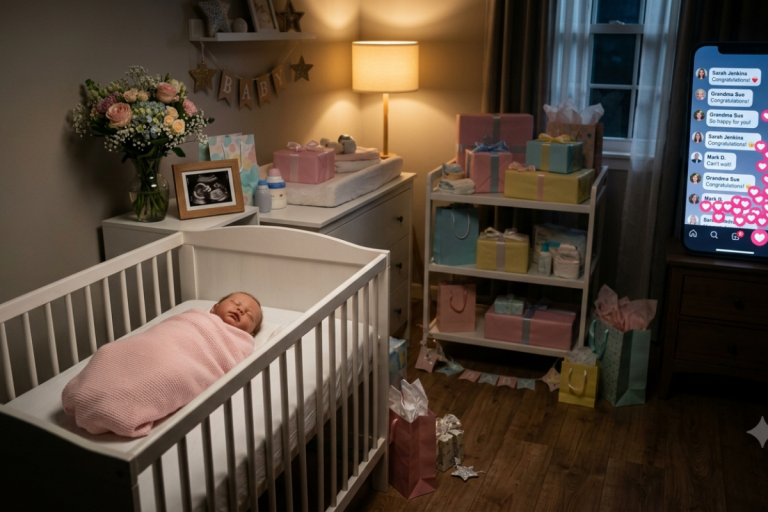
The situation escalated after she claimed to have given birth to a baby girl named Bonnie-Leigh Joyce. Images posted online showed what appeared to be a newborn, prompting hundreds of congratulatory messages from well-wishers who believed the child had arrived safely.
However, the truth eventually emerged when it became apparent that the baby was not real but instead a highly detailed reborn doll. These dolls are designed to closely resemble newborn infants and are often collected by enthusiasts or used for therapeutic purposes, making them remarkably lifelike at first glance.
Friends and Family Left Devastated
The revelation reportedly left relatives and close friends feeling deeply hurt and confused. Many had invested emotionally in the pregnancy, attended celebrations and offered gifts and support throughout what they believed was a genuine journey to motherhood.
According to reports, Cousins' former partner later spoke openly about the ordeal, helping expose the deception after suspicions began to grow. The disclosure shed light on the extent of the fabricated story and the emotional impact it had on those closest to her.
For many involved, the issue was not simply about being deceived but about the emotional investment they had made in welcoming what they believed was a new member of the family.
Reportedly Calling Relatives 'Stupid'
The controversy intensified after reports claimed that Cousins referred to members of her ex-partner's family as 'stupid' for believing the pregnancy and birth were genuine.
The reported remarks have attracted criticism on social media, where many people expressed sympathy for the relatives who had trusted her. Others questioned how such an extensive deception could have continued for so long without being challenged.
The comments have further fuelled public discussion surrounding the unusual case, with many viewing the reported insults as adding further distress to those already affected by the alleged hoax.
The Role of Social Media
The story highlights how social media can amplify personal narratives, allowing major life events to be shared instantly with large audiences. Pregnancy announcements, baby showers and birth updates often attract widespread support from friends and followers, making them powerful tools for connection.
In this case, however, the same platforms reportedly helped sustain the illusion. Images of the reborn doll, combined with regular updates, convinced hundreds of people that the birth was real.
The incident has prompted conversations about the importance of verifying extraordinary claims before accepting them as fact, particularly when much of the evidence comes from carefully curated online posts.
Understanding Reborn Dolls
Reborn dolls themselves are not controversial. They are handcrafted collectibles designed to resemble real infants with extraordinary detail, including realistic skin tones, hair and facial features.
Many collectors appreciate them as works of art, while some people use them for therapeutic or emotional reasons, including coping with grief or dementia care. The dolls are widely available and have legitimate uses that are entirely separate from the events surrounding this case.
The controversy stems not from the dolls themselves but from the alleged misuse of one to deceive family members and friends into believing a child had been born.
A Story That Continues to Spark Debate
The fake pregnancy saga has become one of the more unusual stories to capture public attention in recent days, raising questions about trust, online identity and the emotional consequences of deception.
While the reported remarks aimed at her former partner's family have drawn widespread criticism, the incident also serves as a reminder of how easily convincing narratives can spread, particularly when reinforced through social media and supported by realistic imagery.
For those closest to the situation, the emotional fallout appears to be the lasting legacy of the alleged hoax. What many believed was the joyful arrival of a new baby instead became a painful lesson in misplaced trust, leaving family members and friends to come to terms with an extraordinary deception that few could have anticipated.