Emily Mariko, the TikTok food influencer best known for turning a salmon rice bowl into a viral 2021 obsession, is facing criticism after her latest blackberry cobbler video doubled as a Ray-Ban Meta partnership on Tuesday, 1 September.
The clip was captioned 'My first blackberry cobbler' and labelled as a Ray-Ban Meta partner post, but viewers accused Mariko of 'pretending' to make the cobbler as part of the smart glasses promotion. The criticism spread on Reddit by 4 September, where users questioned whether the wholesome recipe setup was really just a tech ad dressed up as FoodTok.
Mariko also previously worked at Facebook. She moved to San Francisco for a job at the company before leaving in 2018 to pursue content creation full-time, three years before the Facebook company rebranded as Meta. That history quickly became part of the reaction as commenters connected her former employer with her latest sponsorship.
The Cobbler Video Was Also a Tech Demo
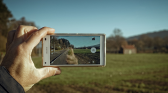
Mariko's clip follows the visual language of her usual food posts, with the creator preparing a blackberry cobbler while wearing Ray-Ban Meta smart glasses. Meta markets the glasses around hands-free point-of-view recording, saying wearers can 'capture what you see and hear in HD, hands-free'. The company also lists cooking among the everyday situations where someone might want to record from their perspective.
There is no verified evidence that Mariko did not actually make the cobbler, so the 'fake' label reflects critics' characterisation rather than proof that the food itself was staged. The commercial relationship was disclosed, meaning the controversy is less about a hidden ad than about how smoothly the promotion was folded into content resembling one of her ordinary recipes. Online criticism focused on the feeling that the cobbler had become a backdrop for a gadget demonstration.
Some Reddit users criticised Mariko for promoting the glasses, while others immediately resurfaced her former Facebook job. The reaction pushed the clip beyond food content and into a wider conversation about influencer ads that closely mimic a creator's usual posts. It also gave the sponsorship the kind of circular backstory that quickly becomes meme-ready online.
Emily Mariko Built Her Brand on Quiet Food Videos
Mariko became one of TikTok's most recognisable food creators through carefully edited cooking, grocery and lifestyle videos that often use little or no dialogue. Her breakout salmon and rice bowl went viral in 2021, with viewers recreating the dish and its ice-cube reheating trick across social media. Since then, her content has continued to centre on polished home cooking, seasonal ingredients and domestic routines.
For more information, check out the Emily Mariko’s Salmon Rice Bowl entry on Know Your Meme! https://t.co/LzN39sWBKu pic.twitter.com/Apoox6JgcQ
— Know Your Meme (@knowyourmeme) October 1, 2021
That format is why the blackberry cobbler partnership stood out. Instead of stopping for a conventional product pitch, the smart glasses were incorporated directly into the cooking process, keeping the same calm aesthetic associated with Mariko's regular posts. Meta uses similar language, including the line, 'Cooking a recipe you want to remember,' when explaining how its point-of-view camera can be used.
Her Facebook Past Made the Ad Even More Awkward
The sponsorship also came with an unusually neat bit of internet history. Before becoming one of TikTok's biggest food creators, Mariko worked at Facebook, leaving the company in 2018 to pursue content creation full time. Facebook would not rebrand its parent company as Meta until 28 October 2021, but that did not stop viewers from pointing out the full-circle moment of a former Facebook employee now appearing in an ad for Meta's smart glasses.
That connection quickly became part of the joke surrounding the post. Mariko's carefully styled blackberry cobbler video already looked like the kind of quiet cooking content that built her following, only for viewers to realise the glasses were the product being sold. Combined with her Facebook history, the clip gave critics an easy punchline: one of TikTok's most recognisable food influencers had seemingly turned a cosy baking video into a Meta hardware demo.