
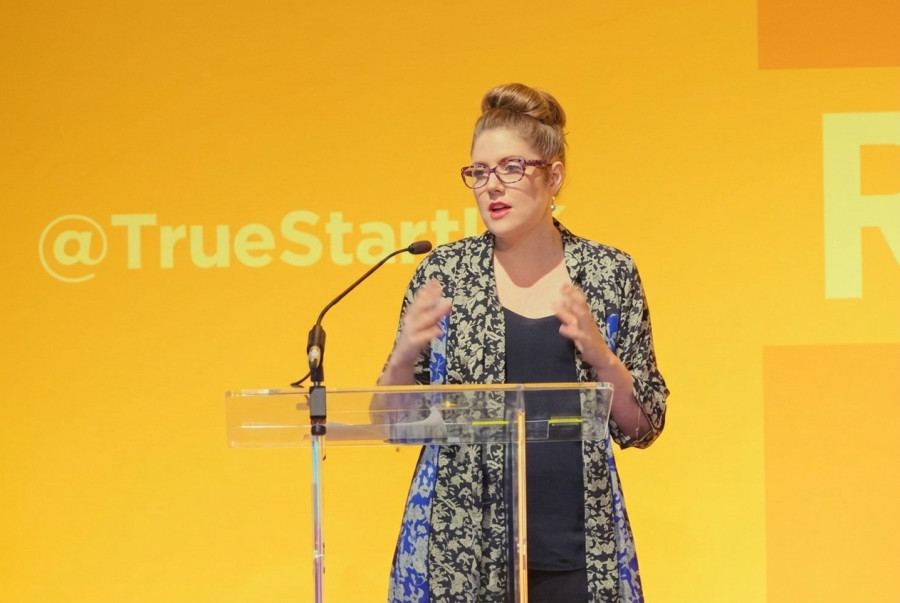
Christine Hunsicker, the founder of fashion technology company CaaStle, is facing a proposed 12-and-a-half-year prison sentence after US prosecutors accused her of orchestrating a fraud scheme involving hundreds of millions of dollars and compared her conduct to that of disgraced Theranos founder Elizabeth Holmes.
Hunsicker, once hailed as an innovator in the fashion rental industry, pleaded guilty to securities fraud in March. Prosecutors are now asking a federal judge in Manhattan to impose the lengthy sentence over what they describe as a sustained effort to mislead investors about the health and value of her businesses.
The case centres on allegations that Hunsicker used fabricated financial statements, forged documents and fake audit materials to persuade investors that CaaStle was performing far better than it really was.
From Fashion-Tech Success Story To Alleged $300M Fraud
CaaStle, formerly known as Gwynnie Bee, built technology and infrastructure that allowed fashion brands to offer clothing rental and subscription services. Its 'Clothing-as-a-Service' model helped position Hunsicker as a prominent figure in the growing fashion-tech sector.
But prosecutors allege that behind the company's high-growth image was a deeply troubled business.
According to the US government, Hunsicker repeatedly misrepresented CaaStle's finances from 2019 onwards while raising money from investors. She allegedly presented the company as being worth more than $1.4 billion, despite its serious financial problems.
One of the starkest alleged discrepancies involved the company's 2023 results. Investors were allegedly told CaaStle had generated $439.9 million in revenue and $66.3 million in profit. Prosecutors say the actual figures were just $15.7 million in revenue and an $81 million loss.
The Securities and Exchange Commission has separately alleged that CaaStle's reported revenue was overstated by more than 7,300%.
Prosecutors also allege that Hunsicker created fake bank records and other documents to support the misleading financial picture, while using false information about the company's shares to obtain additional investment.
The government says the scheme involved approximately $300 million, while Hunsicker has agreed to forfeit nearly that amount as part of her guilty plea.
Why Prosecutors Invoked Elizabeth Holmes
The comparison with Holmes is particularly damaging because both cases involve female technology entrepreneurs accused of presenting investors with an exaggerated picture of their companies' success.
Holmes became one of Silicon Valley's most notorious fraud figures after claiming her Theranos technology could revolutionise blood testing. She was ultimately convicted of defrauding investors and sentenced to more than 11 years in prison.
Prosecutors have drawn a similar parallel with Hunsicker because of the alleged scale and sophistication of the deception surrounding CaaStle's finances.
US Attorney Jay Clayton said: 'Christine Hunsicker fashioned a massive fraud scheme, built on forged documents, fabricated audits and material misrepresentations to hundreds of venture capital investors.'
Hunsicker pleaded guilty to one count of securities fraud and faces a maximum possible sentence of 20 years, although prosecutors are seeking 12.5 years.
CaaStle later filed for Chapter 7 bankruptcy in 2025, marking the collapse of the company that had once presented itself as a major force in fashion technology.
The final sentence will be decided by the court. Until then, the case stands as a stark warning of how quickly a celebrated start-up story can unravel when claims about growth and financial success come under scrutiny.