A £20 designer jumper. A £30 polo shirt adorned with a famous logo. At first glance, it might seem like a harmless bargain—a quick way to wear the look of luxury without the steep price.
But the reality behind counterfeit fashion is far from innocent. Experts warn that these items are part of a complex, largely unregulated network, with implications for safety, labour practices, and even organised crime. What seems like a minor cost shortcut may carry serious consequences—often invisible to the unsuspecting buyer.
From unsafe manufacturing to links with organised criminal networks, counterfeit fashion is no longer merely a question of style or authenticity. Increasingly, it is a matter of public health, safety, and ethics.
Spotting the Fakes
Nicola Biddle, an investigator specialising in counterfeit fashion, recently visited a shop in the West Midlands expecting to find fake The North Face jackets. What she discovered went far beyond a single brand. Shelves and racks were packed with supposed Ralph Lauren tops for £30, Louis Vuitton jumpers for £20, Hermes shoes, Levi's trousers, and more.
'This is all fake,' Steve Baker, a private investigator who works with Trading Standards, told us while gesturing around the store. His experience allows him to identify counterfeit items at a glance. A dog-eared cardboard box of faux The North Face puffer jackets, marked as shipped from Bangladesh, immediately raised red flags.
'The facade is that this is a legitimate business,' he said. 'But I bet he's not paying duties on this stuff. It looks like it's been shipped straight in.'
Baker explained that while customs officials should inspect imported goods, priorities often focus on contraband, firearms, and drugs. Counterfeit items are typically 'fifth on the list of what they are inspecting for'.
The Human Cost
Counterfeit fashion doesn't just skirt taxes and regulations—it can also involve exploitation. PC Caleb Walton from the West Midlands Police noted, 'There is that risk of modern-day slavery on a raid like this. So we're obviously bearing that in mind and offering support if needed.'
During the investigation, more than 50 large bags of suspected counterfeit goods were seized and moved into secure storage. Baker estimates that if the items were genuine, they would be worth around £500,000.
'People don't often consider this,' Baker said. 'Genuine brands are paying duty, council tax, income tax, and employing staff. Counterfeit operations contribute none of that.'
Crime and Organised Networks
The issue extends far beyond the UK high street. Michael Ellis, former assistant director at Interpol, explained that counterfeit goods are rarely an isolated crime.
'In all my career, I've never been involved in a counterfeiting case that hasn't been linked to something else,' he said. 'It's often connected to money laundering, tax evasion, modern slavery—sometimes even terrorism.'
According to Ellis, Chinese triads, Italian mafia groups, and Mexican cartels are all involved in the counterfeit trade, which is often more profitable than drug trafficking. Investigations into terrorist attacks, including the 2015 Charlie Hebdo attack in Paris, uncovered links between counterfeit sales and funding for arms purchases.
In the UK, counterfeit fashion accounts for a significant portion of the illicit trade, with estimated annual losses to the economy of nearly £1 billion. 'The biggest challenge is convincing consumers it isn't victimless,' Ellis said. 'Many are drawn to low prices without realising the broader impact.'
The Influence of Social Media and Gen Z Demand
New research indicates that much of the demand comes from younger shoppers. The EU Intellectual Property Office reports that around a third of Gen Z consumers knowingly bought counterfeit fashion in the past year.
'We've seen a marked shift among younger buyers,' said Sarah Woodcock. 'Growing up with smartphones and social media, they are exposed to brands constantly. There's a strong desire to belong and own the latest styles, which some rationalise by buying fakes.'
A quick look at TikTok confirms the trend. Influencers openly promote fake designer goods, often framing them as affordable luxury. One young woman held up a counterfeit Louis Vuitton bag, calling it 'just a little slice of luxury on a budget' before directing viewers to purchase links.
'Some influencers genuinely don't understand the wider implications,' Woodcock added. 'A simple cautionary email could make a difference, informing them that promoting counterfeit goods is a crime and can fund organised crime.'
Safety Hazards Beyond Economics
Counterfeit fashion carries significant safety risks. Unlike legitimate brands, which must comply with UK and EU regulations, fake items are produced with no oversight.
Baker highlighted children's hooded jackets marketed for five to six-year-olds that feature long drawstrings—a violation of safety regulations and a potential choking hazard.
'You're potentially putting children at risk buying this,' he said. 'These are not minor issues; they're serious safety concerns.'
The Hunt for Counterfeit Goods
Enforcement is a constant challenge. Camden, London, is a known hotspot, with Trading Standards conducting repeated raids and seizing over £26 million worth of counterfeit items in recent years.
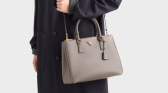
A brief undercover visit to a small section of the high street revealed fake Chanel handbags, The North Face beanies, Ralph Lauren caps, and Dior jumpers. Even QR codes on labels were faked to appear legitimate.
Tracking these goods online is equally complex. Baker demonstrated how counterfeit children's hooded tracksuits are marketed on Facebook for around £25. Payment requests are routed through inconsistent accounts and disguised with references like 'friend' to avoid detection.
Informed Choices for Consumers
Ultimately, experts stress the importance of conscious consumer decisions.
'It's about making an informed choice,' Ellis said. 'Do you want your money to support a legitimate business and contribute to society, or to a criminal network funding firearms, drugs, and exploitation?'
He added that as long as demand exists, counterfeit goods will continue to proliferate. Educating consumers and raising awareness about the hidden consequences remains the most effective tool.
'Just pause and think about where your money goes,' Ellis said. 'It can make all the difference.'