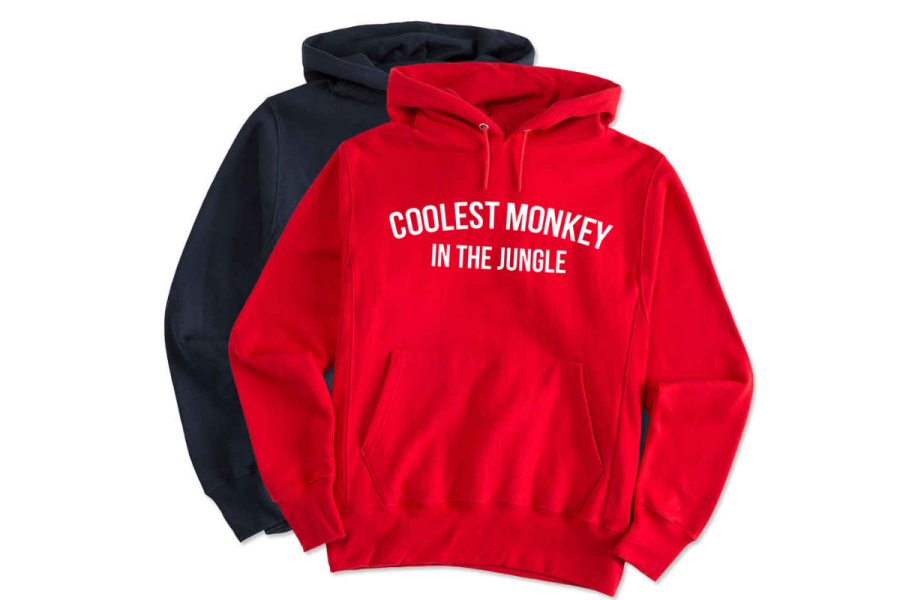
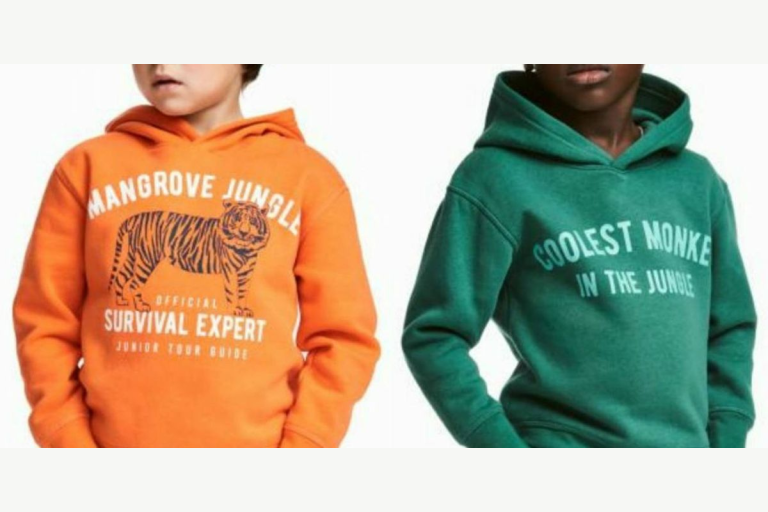
In January 2018, a single product image from H&M sparked a global backlash that spread across social media within hours. The image showed a Black child modelling a hoodie printed with the phrase 'coolest monkey in the jungle', a combination that many users immediately called racially offensive.
What began as a standard product listing quickly escalated into a reputational crisis for one of the world's biggest fashion retailers. By the end of the day, the image had been shared widely online, boycotts were being called for, and H&M was forced to issue an apology.
How a Hoodie Image Triggered Global Backlash
The controversy centred on a children's hoodie from H&M's online store, featuring bold white lettering reading 'coolest monkey in the jungle'. The garment was modelled by a young Black child, later identified in reports as Liam Mango, whose parents are of Kenyan heritage.
Social media users were quick to flag the image as racially insensitive, pointing to the long history of comparing Black people to monkeys as a racist stereotype. Many argued that the pairing of the slogan with the child in the advertisement made the message impossible to ignore, regardless of intent.
Others questioned how the image had passed internal approval processes at a global fashion brand with thousands of employees and operations in more than 70 markets. Some users called for a boycott, while others defended the company, suggesting it was an unintentional mistake that had been blown out of proportion.
H&M's Apology and Swift Removal of the Image
H&M responded on 8 January 2018, saying: 'We apologise to anyone this may have offended.' The company confirmed that the image had been removed from all channels and stressed that the product listing had been taken down.
However, the apology itself became part of the controversy. Critics argued that it focused on offence rather than acknowledging why the image was problematic, particularly given the historical weight of the language used.
Following continued criticism, the retailer later issued a stronger statement, saying it agreed with the backlash and recognised that 'even if unintentional, passive or casual racism needs to be eradicated wherever it exists'.
Why the Image Struck Such a Nerve
The outrage was not only about the hoodie, but also about what it represented in a broader cultural context. For many critics, the use of the word 'monkey' in relation to a Black child echoed centuries-old racist tropes used to dehumanise people of African descent.
Historians have documented how such imagery was historically used to justify slavery and segregation, embedding harmful stereotypes that continue to influence public perception today. That context helped explain why the reaction online was so intense and immediate.
Public figures also weighed in. Canadian artist The Weeknd, who had previously collaborated with H&M, announced he would end his partnership with the brand, saying he was 'deeply offended' by the image.
Damage Control and Internal Changes
In the weeks that followed, H&M attempted to contain the fallout with internal reforms. The company introduced additional layers of review for marketing images, expanded diversity and inclusion roles, and strengthened its approval processes for advertising content.
It also pledged to improve representation within leadership and decision-making teams, acknowledging that its internal systems had not adequately flagged the issue before publication.
A senior diversity lead at the company later said H&M needed to become more 'culturally sensitive' and more aware of how campaigns might be perceived outside internal environments.
Boycotts, Protests and Financial Pressure
The backlash was not limited to social media. In South Africa, protests erupted outside H&M stores, with demonstrations in cities including Johannesburg and Cape Town. Some stores were temporarily closed amid safety concerns.
At the same time, the company was already under financial pressure, reporting billions of pounds worth of unsold stock and a sharp decline in operating profit during the same period.
While analysts noted that broader market challenges were also affecting performance, the controversy added to a difficult moment for the fast-fashion giant and intensified scrutiny of its global operations.
A Longer-Term Reckoning
In the years after the incident, H&M acknowledged it had underestimated the importance of cultural sensitivity in global marketing. In 2020, the company donated approximately £390,000 ($500,000) to civil rights organisations, including the NAACP Legal Defence and Education Fund and the American Civil Liberties Union.
It said at the time that it recognised its mistakes and that meaningful action was required beyond symbolic statements.
A Lasting Lesson for Fashion Brands
The 'coolest monkey in the jungle' controversy remains one of the most cited examples of how quickly fashion campaigns can spiral into global crises in the digital age.
It also highlighted a broader truth for the industry: in an era where imagery is instantly global, context matters as much as creativity. For H&M, a single photograph became a defining moment in its public history, reshaping how the brand approaches diversity, oversight and accountability in fashion marketing.