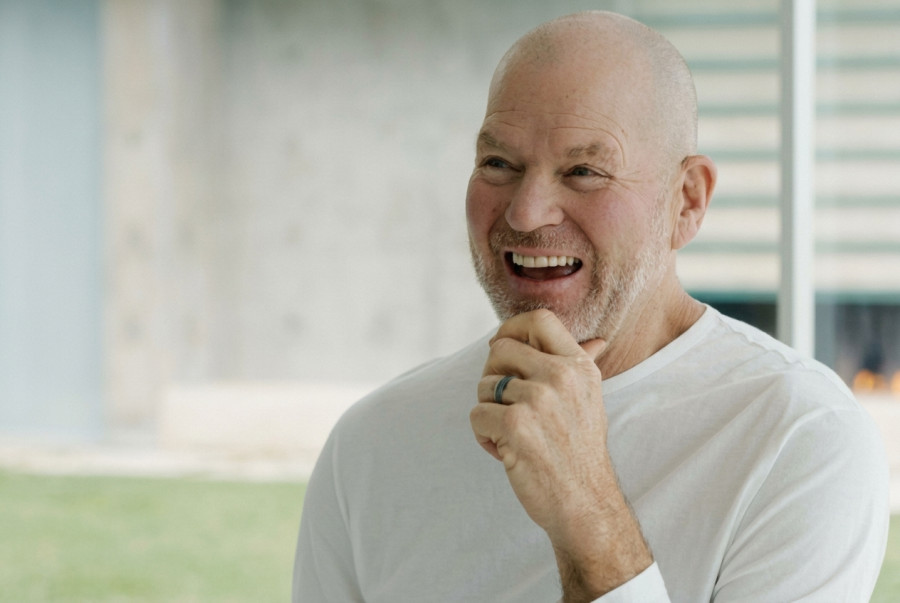
Lululemon founder Chip Wilson argued that the activewear giant should be willing to exclude certain customers in an interview, criticising its approach to inclusivity and describing some of its male models as 'sickly'.
The billionaire businessman claimed that the company's efforts to appeal to everybody were preventing it from establishing a stronger brand identity. He also questioned the appearance of its female models, suggesting they failed to present an inspirational image to consumers.
Speaking in an interview, Wilson accused Lululemon of allowing fears of negative media coverage to influence its business decisions. The entrepreneur argued that adopting a more exclusive approach could give the premium activewear company a significant advantage over its competitors.
Wilson Defends Exclusivity
Wilson suggested that Lululemon had compromised its brand identity by attempting to appeal to too many consumers. He argued that the company needed to establish clearer boundaries around its target market rather than prioritising inclusivity. The businessman maintained that being selective about its customers could make the brand more desirable.
Speaking in the video, Wilson said: 'Lululemon has the opportunity to become a brand, but in order to become a brand, you've got to be clear that you don't want certain customers coming in'. He added: 'Instead of living out of possibility, they live out of the fear of media backlash, of not including everybody. And it's just something I don't agree with'.


In the wider Forbes interview, Wilson referred to consumers of soft drinks and fast food while discussing his original philosophy for the activewear brand. He also pointed to emerging competitors whose advertising featured people he considered healthy and inspirational. His comments reflected his preference for a more narrowly defined customer demographic.
Wilson also criticised the physical appearance of models featured on Lululemon's online shopping platform. He described the men as 'sickly' and said the women were 'not inspirational'. His remarks reflected his personal assessment of their appearance rather than established information about their health.
Lululemon Rejects Remarks
Lululemon publicly distanced itself from Wilson's comments in January 2024, stressing that his opinions did not represent the company's values. The retailer reaffirmed its commitment to diversity and inclusivity across its business and wider communities. Its response highlighted the differences between Wilson's original brand philosophy and the company's approach to customer representation.
In a statement reported by Bloomberg, the company said: 'Chip Wilson does not speak for lululemon, and his comments do not reflect our company views or beliefs'. Wilson founded Lululemon in Vancouver, Canada, in 1998, building the business into an internationally recognised premium activewear label.
He stepped down as chairman in December 2013 before resigning from the company's board in February 2015. Although he remained a shareholder at the time of the interview, he no longer held an executive position.
His criticism of inclusivity was not the first time he had attracted controversy over women's bodies. In 2013, Wilson faced criticism after suggesting that some women's bodies were unsuitable for Lululemon's products, following complaints about the transparency of its yoga trousers. He stepped down as chairman later that year.
Lululemon expanded its clothing size range in 2020 and introduced initiatives to promote diversity within the organisation. These developments marked a departure from its founder's preference for a more exclusive customer base. Wilson nevertheless argued in his 2024 interview that greater exclusivity could strengthen Lululemon's competitive position.