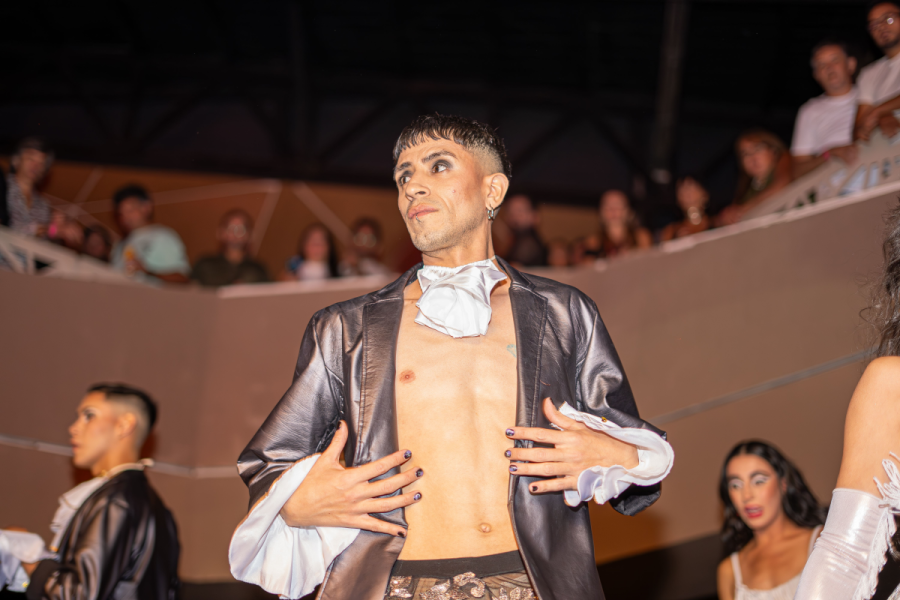
What happened to the traditional image of the Gucci man? A comparison of the luxury fashion house's male models from 1995 and 2025 has drawn attention to changing standards of masculine beauty, with one social media user describing the contrast as a shift 'from strong alphas to weak feminine betas'.
The comparison places American model Jason Lewis, whose muscular physique and confident appearance reflected Gucci's 1990s aesthetic, alongside a more slender, contemporary male model.
While some viewers interpret the contrasting looks as evidence of changing masculine ideals, others see them as examples of how fashion has expanded its approach to men's appearance.
Gucci's 1995 Male Models Represented a Different Era
During the 1990s, Gucci became closely associated with the glamorous and provocative aesthetic championed by designer Tom Ford.
Ford's creative direction helped transform the fashion house's image through sharp tailoring, sensual styling, and designs that emphasised the wearer's physique. American model Jason Lewis, featured in the 1995 footage, became a focal point of the comparison because of his broad shoulders, defined features, and commanding runway presence.
For admirers of that era, his appearance represented a traditionally masculine ideal built around physical strength, confidence, and rugged attractiveness. However, Lewis's appearance does not necessarily represent every male model who worked with Gucci during the decade.
'From Strong Alphas to Weak Betas': The Changing Gucci Man
The contrasting images have prompted commentary about how perceptions of masculine attractiveness have evolved over three decades.
One social media user characterised the difference as a move 'from strong alphas to weak feminine betas', expressing a preference for the muscular appearance associated with the earlier footage.
The state of masculinity in 2026: pic.twitter.com/p0ufig4wIO
— Community Notes & Violations (@CNviolations) October 19, 2026
The remark reflects a subjective judgement about physical appearance rather than an established assessment of either model. The comparison also highlights the changing relationship between menswear and traditional gender expectations.
Contemporary fashion designers have explored slimmer silhouettes, decorative accessories, sheer fabrics, and clothing that challenge conventional distinctions between masculine and feminine styling.
For some observers, these approaches represent a departure from the rugged appearance associated with traditional male fashion. Others view the changes as an opportunity for greater individuality and creative expression. However, a person's clothing, physique, or runway presentation does not establish their strength, character, or masculinity.



How Gucci's Fashion Direction Changed Over Three Decades
Gucci's evolving menswear aesthetic reflects the influence of several creative directors. Tom Ford helped establish the brand's provocative identity during the 1990s, combining sharply tailored clothing with a glamorous approach to luxury fashion.
Years later, Alessandro Michele introduced a more eclectic vision, incorporating decorative details, fluid silhouettes, and unconventional styling into Gucci's collections. His designs frequently explored the boundaries between traditionally masculine and feminine clothing.
The fashion house entered another chapter in 2025 when Demna was appointed artistic director, with his appointment taking effect in July. His first Gucci runway show followed in February 2026, featuring body-conscious clothing, contemporary tailoring, and references to the brand's earlier aesthetic. The collection demonstrated that Gucci's modern approach cannot be reduced to one particular body type or style.
Although the comparison circulating online featured images labelled 1995 and 2025, the discussion also provides an opportunity to examine how Gucci's fashion direction has continued evolving under different designers.
Has Gucci Redefined What Masculinity Looks Like?
The contrast between Gucci's 1995 and 2025 male models illustrates how fashion's presentation of masculine attractiveness can change over time. For some viewers, muscular physiques, sharp tailoring, and rugged features remain defining characteristics of masculine style. For others, masculinity can also include expressive clothing, individuality, and the freedom to experiment with appearance.
Neither interpretation establishes that one generation of men is inherently stronger or weaker than another. Instead, the comparison demonstrates how fashion imagery can reflect different cultural expectations and creative priorities.
From Ford's provocative 1990s designs to Michele's experimental collections and Demna's contemporary vision, Gucci has repeatedly reinvented its presentation of menswear. While opinions differ over which era best represents masculine style, the contrasting runway images highlight how much the fashion industry's beauty standards have evolved over three decades.