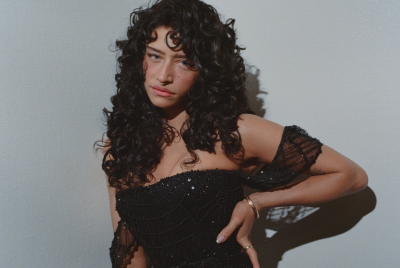
Oliver Tree's comments about cutting his family out of his fortune have taken on a new level of attention following his death in a helicopter crash in Brazil at the age of 32. He had spoken just weeks earlier about an unconventional plan for his estate that sharply rejected the idea of traditional inheritance.
His words, once seen as provocative, are now being revisited with a very different weight.
The American musician, known for his eccentric public persona and genre-blending sound, died on 14 June 2026 in Rio de Janeiro. A mid-air collision involving two helicopters occurred while he was in Brazil for professional engagements.
Oliver Tree Cut Family Out of His Fortune
The moment that's now circulating everywhere came from an interview on The Zach Sang Show in April 2026. Tree didn't sugarcoat it. He said: 'When I die, my will is set up that when I pass, my family, no one is getting a penny.'
It wasn't just shock value. He doubled down on the idea that wealth shouldn't automatically move down family lines, especially in the way celebrity estates usually do. Instead, he said he wanted his money to go back into the creative world that made him successful in the first place.
He made it clear that dependents wouldn't be abandoned, but the core idea was no automatic inheritance and no easy generational transfer of wealth. 'They're not going to be a silver spoon', he stated.
Inside His Estate Plan Idea
Tree said he had already set up a structured plan for how his earnings would be handled after death. While full legal documents haven't been made public, he described a system designed to manage royalties, publishing income, and other posthumous earnings.
Under standard estate law, that kind of setup would usually involve wills and trusts controlling intellectual property rights. Tree suggested his version would go further—placing decisions in a managed structure, and not leaving everything to relatives.
However, no publicly available probate filings confirm exactly how far this plan was legally formalised. So while his intentions were clear, the legal execution remains unverified in the public record.
The Foundation to Support Artists
One of the most talked-about parts of his plan was a proposed initiative called Dr. Oliver Tree's Art Grants for Baby Geniuses.
He described it as a fund for artists. The idea was to support creative output directly, paying for people to make art rather than funding formal education or equipment.
Tree also mentioned a committee-style system where funding decisions would be made collectively. He explained: 'Basically, everyone will vote on who the money goes to each year ... and it will be in the spirit of the Oliver Tree project. So collaborators I made music or film or art with when I was alive will get to make the decision of where the money goes.'
In theory, this would allow the money to keep supporting creative projects long after his death, driven by his royalties and intellectual property earnings.
What Happens Now
After his death, attention has naturally shifted back to those April comments. Clips from the interview have resurfaced online, sparking debate about whether artists should be allowed — or even encouraged — to completely redirect their estates away from family.
Authorities in Brazil are still investigating the helicopter collision, and a full report has not yet been released, meaning details of the crash remain under review.
What's still unclear is whether Tree's estate plan had been fully finalised in legal terms or was still in the process of being structured when he died.