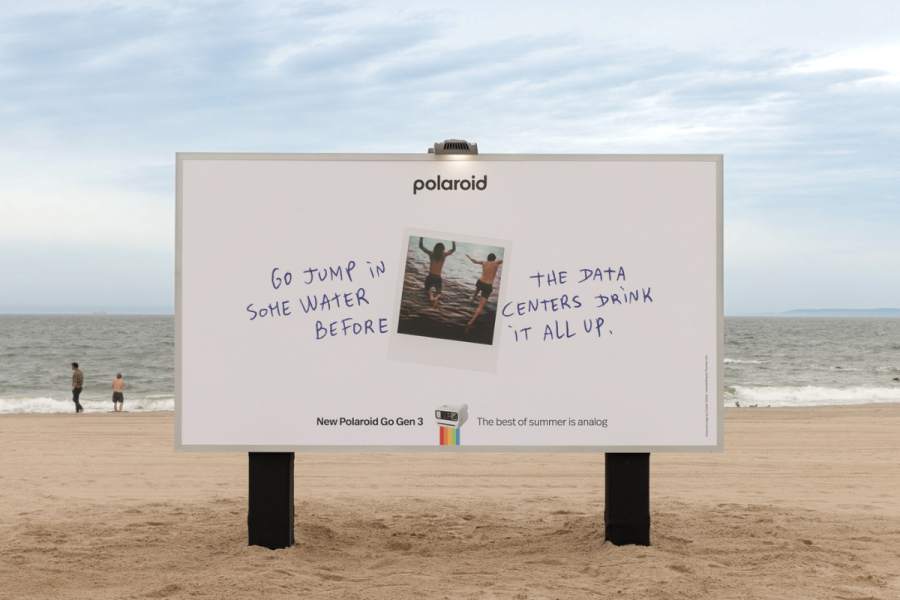
Polaroid has struck a chord with consumers after launching its bold 'The Future Isn't Artificial' campaign, a marketing push that openly champions analogue photography at a time when artificial intelligence is reshaping how images are created and shared online.
The campaign has quickly gained traction across social media, where many users praised the brand for celebrating authentic photography instead of digitally generated content. Beyond its striking slogans, the campaign has also reignited conversations about the growing revival of film cameras, instant prints and slower, more intentional image-making, particularly among younger generations.
A Bold Stand Against Artificial Intelligence
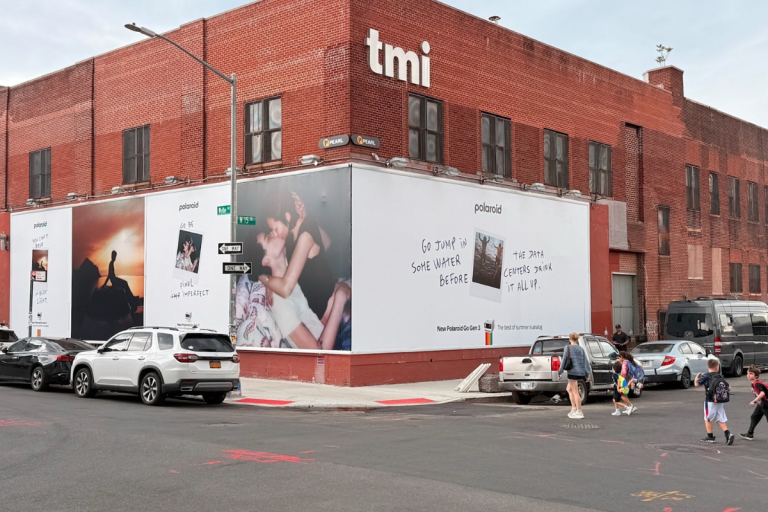
The campaign features a series of minimalist adverts carrying messages including 'The Future Isn't Artificial', positioning instant photography as an antidote to AI-generated visuals and heavily edited digital imagery.
Rather than attacking technology outright, the adverts celebrate the tactile experience of taking photographs that exist as physical prints rather than endlessly duplicated digital files. The campaign quickly spread across Reddit and other social media platforms, where users applauded the messaging for highlighting authenticity in an increasingly AI-driven online world.
Many commenters described the adverts as clever and timely, with several saying they appreciated a major brand encouraging people to reconnect with genuine moments instead of algorithm-generated content.
Film Photography's Fashion Revival Continues
The campaign arrives as film photography continues to enjoy a remarkable comeback, particularly among Gen Z and younger millennials. Vintage compact cameras, disposable film cameras and instant photography have become increasingly common at festivals, holidays and fashion events, where imperfect images are often valued for their nostalgic aesthetic.
Fashion brands and luxury houses have also embraced analogue imagery in recent campaigns, using grainy textures and unfiltered portraits to create a more authentic visual identity.
The resurgence extends beyond Polaroid. Kodak has increased film production in recent years to meet renewed demand, while second-hand film cameras have become increasingly sought after as interest in analogue photography continues to grow.
Social Media Reacts to the Campaign
Online reactions have been overwhelmingly positive, with thousands of users praising the campaign's message.
One Reddit user wrote: 'There also has been a wave of younger people getting into photography with non-digital cameras.'
Another commented: 'I hope the ad campaign will be successful. Polaroid got saved by an investor 10 years ago, and they managed to keep it afloat despite the digital wave of content.'
Others noted that younger consumers are rediscovering both film and early digital cameras, appreciating the slower, more deliberate process compared with taking hundreds of smartphone photos that may never be revisited.
Several users also pointed to the emotional value of printed photographs, arguing that physical images create lasting memories in a way digital galleries often fail to replicate.
Why Analogue Photography Still Resonates
Many photographers believe film encourages greater creativity because every frame carries value. Unlike smartphones, where unlimited images can be captured instantly, analogue cameras require patience, careful composition and considered timing.
Commenters also highlighted privacy as another attraction. Physical photographs remain in the owner's hands rather than being uploaded to cloud storage or processed through AI-powered platforms.
Others described photography as becoming more intentional again, with printed albums, journals and photo walls replacing endless scrolling through smartphone galleries.
Not Everyone Is Convinced
Despite the overwhelmingly positive response, some users questioned whether Polaroid's campaign was driven by principle or commercial strategy.
Critics argued the company benefits directly from growing scepticism surrounding AI-generated imagery and suggested the campaign naturally aligns with its core business of selling instant cameras and film.
Others pointed out that instant photography remains relatively expensive, with film packs costing significantly more per image than smartphone photography. Some photographers also argued that competitors, particularly Fujifilm's Instax range, currently produce higher-quality instant prints.
Even so, these criticisms did little to dampen enthusiasm surrounding the campaign, with most online discussion focusing on its broader message rather than brand rivalry.
Authenticity Becomes Fashion's New Focus
As AI-generated images become increasingly sophisticated, Polaroid's campaign taps into a wider cultural shift towards authenticity. Across fashion, consumers are showing renewed appreciation for analogue aesthetics, imperfect photography and tangible keepsakes that cannot simply be recreated with software.
Whether viewed as clever marketing or a genuine defence of traditional photography, 'The Future Isn't Artificial' has successfully positioned Polaroid at the centre of one of the industry's biggest conversations. Judging by the campaign's viral reception, the appetite for real photographs and real moments shows little sign of fading.