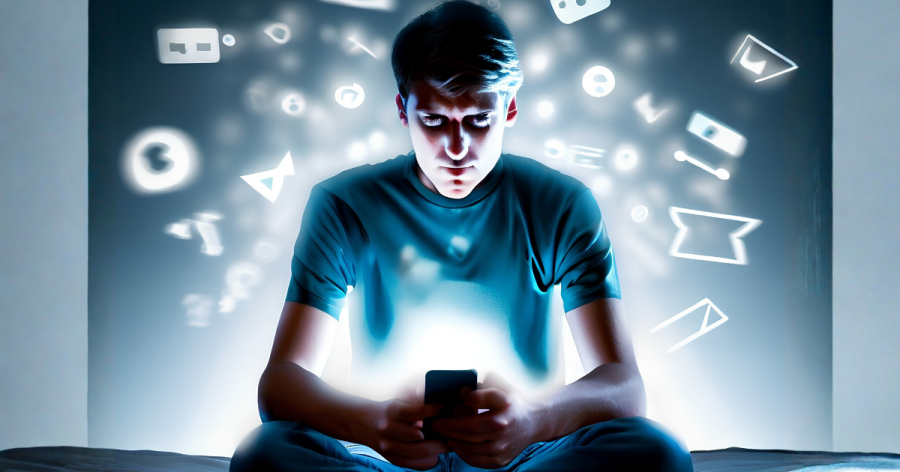
The UK plans to ban under-16s from major social media platforms including TikTok, Instagram, YouTube, Snapchat, Facebook and X by spring 2027. Ministers are calling it one of the toughest online safety crackdowns in the world, but for teenagers, the impact could reach far beyond screen time.
The platforms targeted by the ban are also where young people discover outfit ideas, beauty routines, hair care advice, celebrity style, body-confidence creators and the fast-moving trends that shape school corridors, shopping habits and group chats.
Prime Minister Keir Starmer unveiled the landmark proposal on 15 June 2026, pledging to go 'further than any country in the world' by restricting social media access for under-16s and introducing wider protections around livestreaming, stranger contact and harmful online features.
Teen Style Culture Could Be Caught in the Crossfire
The policy is being sold as a child safety measure, and parents have serious reasons to worry. Social feeds can expose children to harmful content, dangerous beauty standards, bullying, addictive scrolling and algorithm-led rabbit holes that no teenager should have to navigate alone.
Still, the internet teenagers use is not only the internet adults fear. It is also where they learn winged liner, find curly hair routines, compare acne-safe skincare, watch 'get ready with me' videos, decode red carpet looks, find prom inspiration and spot a microtrend before it reaches the high street.
For teenagers who grew up with technology, social media has become part mood board, part search engine and part social calendar, especially in fashion and beauty spaces where trends can move from a creator's bedroom to a classroom in hours. That does not make the risks less real. It means a blanket ban could remove harmful content, but also the everyday content that helps young people feel informed, included, and seen.
Beauty Content Is Not Always Trivial
Fashion and beauty content is easy to dismiss as shallow, but for teenagers it can be a way of testing identity. A hairstyle, lip shade, thrifted jacket or school-bag charm can become a small act of self-expression at an age when belonging matters intensely.
That is especially true for young people who do not see themselves reflected offline. TikTok, Instagram and YouTube are where many teens find creators who share their body type, skin tone, hair texture, disability, culture, gender expression or budget. Canadian creator Spencer Barbosa has built a huge following around body-confidence content, including one widely shared line: 'Clothes are made to fit you. You were not made to fit clothes.'
That is why the proposed ban becomes more complicated. The question is not whether children should be protected online, they should. The harder question is whether protection has to mean cutting them off from the platforms where modern teen style, identity, and community now live.
Age Checks Could Bring a New Privacy Problem
The government has said it plans to introduce 'highly effective age assurance' measures, with Ofcom expected to study what works when verifying whether someone is over 16. For teens, the obvious question is simple: would they have to prove who they are just to watch a makeup tutorial or follow a fashion creator?
Privacy concerns are already hovering over the policy. Ofcom has raised concerns about whether current age verification tools are reliable or privacy-preserving enough, while ministers are also looking at how to stop children bypassing restrictions through VPNs.
Paddy Crump, Youth Director at FlippGen, warned that a ban could miss the more useful parts of young people's online lives. 'I believe in know tech, not no tech, and better solutions would be safety by design and increased education', he said.
The Ban May Change What Teen Trends Look Like
A blush technique, manicure, sneaker or red carpet detail can become a trend in hours. If under-16s lose access to the platforms where those moments begin, teen style culture may not disappear, but it could become more fragmented, pushing young people towards less visible and less regulated corners of the internet.
There is also a class problem. Wealthier teenagers may still access trends through shopping trips or parents' accounts. Less privileged teens could lose one of the few free ways to find affordable beauty advice, second-hand styling ideas and creators who make fashion feel accessible.
Dr Shani Dhanda, broadcaster and accessibility consultant, put it plainly: 'The focus should be on making platforms safer, not cutting young people off from communities they rely on to participate in society.'
If the ban goes ahead, the real test will be whether it protects privacy, preserves access to positive communities and recognises that fashion, beauty and culture are now part of how teenagers understand who they are and where they belong.