For thousands of years, people have been fascinated by diamonds. They have represented strength, permanence, and devotion in many cultures and places around the world. In Britain, they are still an important part of engagement customs, fine jewellery collections, and heirloom pieces that have been passed down through generations.
Today, buyers typically have a choice between natural diamonds and lab-grown diamonds. But what makes the two kinds of diamonds different? How are they valued? Everything you need to know before purchasing a diamond is covered in this comprehensive guide.
Diamonds Through History
India was the first place where diamonds were found. They were valued not only for their beauty but also for their supposed protective properties. By the medieval period, diamonds had reached Europe, becoming prized possessions of royalty and nobility.
In Britain, diamonds became closely linked to ceremonial and regal jewels. The fact that they are a big part of engagement customs is generally attributed to the royalty in Europe in the 15th century, and that cultural association has lasted. Contemporary fashion coverage in publications continues to position diamond jewellery as both classic and adaptable — equally suited to heritage designs and minimalist modern settings.
The durability of diamond jewellery is more than just a marketing ploy. Their physical features make them perfect for everyday wear, which has made them even more important for life events.
How Diamonds Are Formed
The basic structure of all diamonds, whether they are natural or made in a lab, is the same. They are carbon atoms bonded in a crystal lattice.
Natural Diamonds
Natural diamonds originate deep under the Earth's mantle, where there is a lot of heat and pressure. Carbon atoms crystallise into the hard structure that makes diamonds hard over long periods of time. Eventually, volcanic activity brings these crystals closer to the Earth's surface, where they can be cut and retrieved.
Because they form in dynamic natural conditions, most natural diamonds contain internal features, known as inclusions, which make each stone unique. These inclusions are several things such as tiny mineral crystals, fractures, or clouds.
Laboratory-Grown Diamonds
To make diamonds in a lab, scientists have to recreate the conditions that allow carbon to crystallise. They often employ two well-known methods:
- High Pressure High Temperature (HPHT)
- Chemical Vapour Deposition (CVD)
Both techniques result in diamonds with the same chemical composition and physical properties as those formed underground. When looked at closely, experts may see development patterns that show where the diamonds came from. Yet both are diamonds in terms of structure and appearance.
4Cs Explained: How Diamond Quality Is Graded
The 4Cs are a grading system that is used to rate diamonds no matter where they come from. This system is used throughout the jewellery industry.
1. Cut
Cut refers to how precisely the facets of a diamond are formed and lined up. A diamond that has been cut well reflects light inside and back to the viewer, making it sparkle and shine. The quality of the cut has a big effect on how well it looks.
2. Colour
Most diamonds are rated from D (colourless) to Z (light yellow or brown).The less colour visible, the higher the grade. It's often hard to see little variations without comparison stones.
3. Clarity
Clarity looks at internal flaws and surface imperfections under magnification. There are grades from Flawless to Included. In a lot of cases, inclusions are so small that they do not affect everyday appearance.
4. Carat
Carat measures weight, not size. Larger diamonds are less common, which influences their desirability. Certification shows proof of quality and tells you whether a diamond is real or made in a lab.
Craftsmanship and Setting
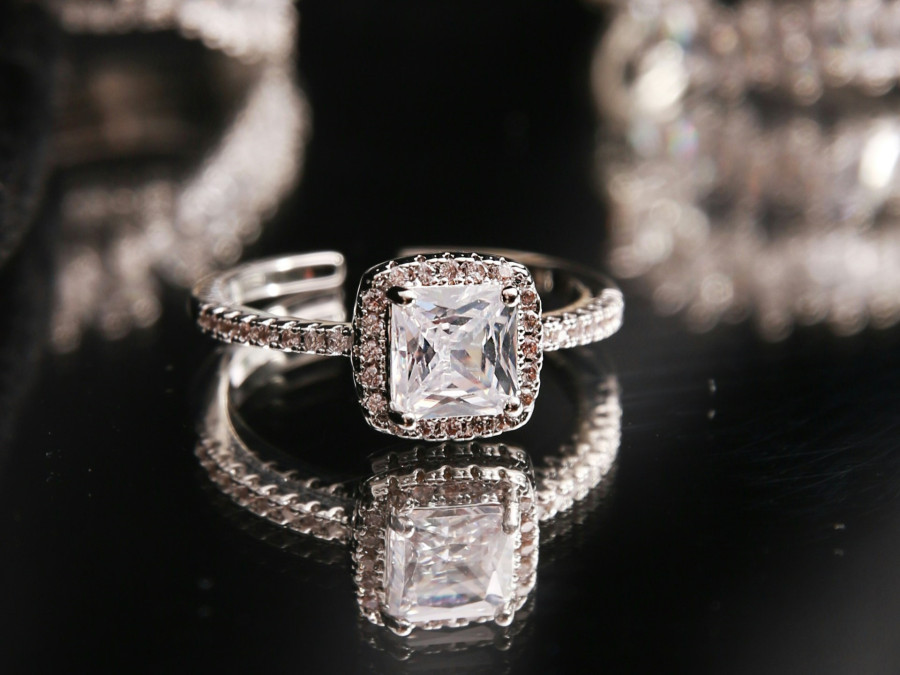
A diamond's beauty is influenced not only by the stone itself but where it is placed. British jewellery traditions range from antique cluster rings to contemporary solitaires and bezel-set designs.
Key considerations include:
- Metal choice (platinum, yellow gold, white gold, rose gold)
- Prong security and durability
- Balance between carat weight and setting style
A well-made setting protects the diamond and makes it shine more. Craftsmanship is important for longevity, regardless of its origin.
Cost and Value Considerations
Natural and lab-grown diamonds have different prices due to differences in origin and production processes. But certain things never change:
- Larger, higher-grade diamonds typically command higher prices.
- Certification increases transparency and confidence.
- Brand reputation and craftsmanship influence overall cost.
It's also crucial to know the difference between emotional value and financial value. Diamonds are valuable items that last a long time and have special meaning. Some stones may still be worth something when you sell them, depending on their quality and documentation.
However, jewellery should be seen as a long-term personal treasure rather than a guaranteed financial investment.
Diamond Care Tips
Diamonds are exceptionally durable but require proper maintenance.
- Cleaning: Use warm water, mild soap, and a soft brush to remove residue. Rinse thoroughly and dry with a lint-free cloth.
- Storage: Store diamond pieces separately to prevent metal components from scratching other jewellery.
- Inspection: Have prongs and settings professionally checked at least once a year to ensure the stone remains secure.
- Avoid Harsh Chemicals: Exposure to strong cleaning agents may damage metal settings.
With good care, brilliance and structural integrity can last for generations.
Questions Every Buyer Should Ask
When selecting a diamond, natural or lab-created, consider the following:
- Does the stone come with an independent certification?
- Is there a clear record of the 4Cs?
- Is the source clearly stated?
- How is the diamond set and secured?
- What maintenance or servicing does the jeweller offer?
Ready to Find Your Diamond?
Lab-grown and natural diamonds have the same physical attributes, but they come from different places and have different stories. Natural diamonds show how the Earth has changed throughout time, whereas diamonds made in a lab show what people can do with technology. Both can be beautiful, durable, and meaningful.
Quality grading, craftsmanship, paperwork, and care are all important things to think about when purchasing a diamond. By understanding the science of formation, the 4Cs, and the importance of certification, buyers can make confident decisions that remain relevant long after trends and industry conversations evolve.
In the end, a diamond's lasting significance lies not only in how it was formed, but in how it is chosen, worn, and cared for.