Underwire bras are making a comeback on luxury fashion runways, with Prada, Tom Ford and Balmain bringing structured lingerie into their spring/summer 2027 collections. But while designers are embracing the return of sculpted silhouettes, sales figures suggest shoppers are continuing to favour comfort over traditional support.
The renewed interest follows several years of growing demand for wireless bras, particularly during the COVID-19 pandemic, when working from home and more relaxed clothing habits changed how women approached everyday lingerie. Despite their prominence at recent fashion shows, underwire bras have yet to experience a similar resurgence in the wider retail market.
Major Fashion Houses Bring Structured Bras Back
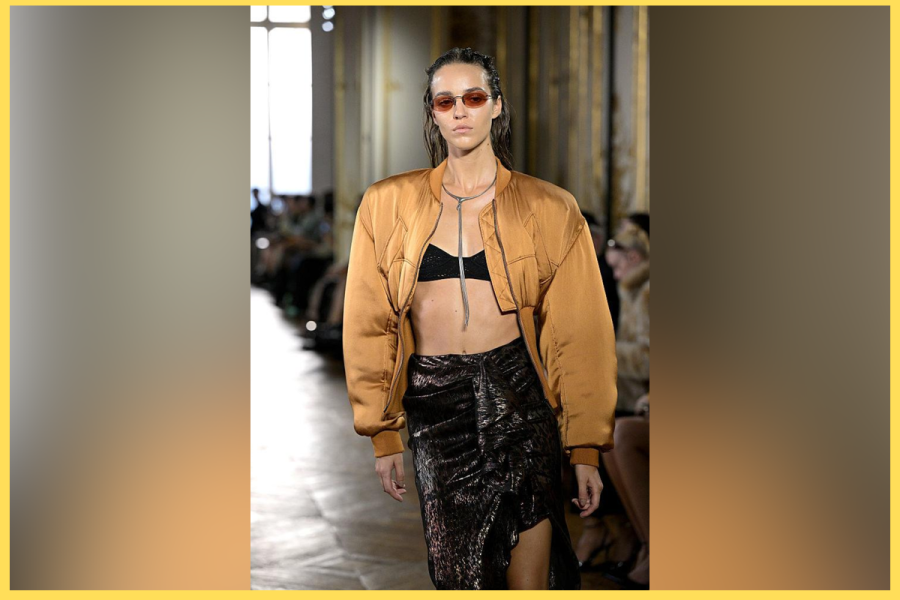
Structured bras and visible underwire took centre stage across the latest fashion month, with designers reworking lingerie-inspired silhouettes for the Spring/Summer 2027 season. Prada presented red-and-black satin designs, while Tom Ford explored the look through black-and-silver variations.
At Paris Fashion Week, Tom Ford creative director Haider Ackermann paired structured satin bras with other body-conscious pieces. Balmain's Antonin Tron incorporated bras, corsets and satin garter skirts into his Spring/Summer 2027 collection, while Jean Paul Gaultier revisited its signature cone-bra silhouette. Miu Miu offered a sportier alternative with bralettes that softened the trend's more sculptural aesthetic.
The look has also moved beyond the runway, with celebrities embracing visible lingerie as a statement in its own right. Rihanna attended the Matières Fécales show in Paris on 28 September wearing a bra from her Savage X Fenty collection beneath an unbuttoned jacket, turning an underwear staple into part of her front-row outfit.
Anya Taylor-Joy took a more colourful approach, wearing a fuchsia Balmain underwire bra with a cardigan and floral jacquard skirt while promoting her latest television series. Meanwhile, Kaia Gerber stepped onto the red carpet in an Alaïa wool-crepe bra top with exposed underwire, demonstrating how lingerie-inspired construction can work as outerwear.
At the MTV Video Music Awards, Tyla wore a blue snakeskin-print look by London-based designer Mowalola Ogunlesi, pairing an underwire bra with a matching low-rise skirt. Ogunlesi described the design as an expression of femininity, with the bra's construction creating a sculpted silhouette.
Underwire Bra Sales Continue To Decline
The renewed runway attention has not translated into stronger sales. Underwire bras represented approximately 52 per cent of the US bra market in 2026, compared with 57 per cent in 2022, figures from market research company Circana showed.
During the 12 months ending in August 2026, sales of both underwire and wireless bras declined in the United States. However, underwire sales fell five times faster than those of wireless alternatives.
The figures follow a longer shift towards less restrictive lingerie. During the second half of 2020, wireless bra sales increased by 14 per cent, even as overall bra sales declined by 1 per cent, research from NPD showed.
Demand for bras has remained subdued since the pandemic, with changing workplace habits and casual clothing continuing to affect purchasing patterns. Retailers have nevertheless begun introducing more structured designs.
Fashion retail intelligence platform Edited recorded a 28 per cent month-on-month increase in mentions of 'underwired' across new retail product listings in August. Mentions of 'push' rose by 60 per cent during the same period. The increases reflect greater promotional activity rather than confirmed growth in consumer purchases.


Why Underwire Bras Are Returning to Fashion
The renewed interest in structured lingerie coincides with a broader shift towards exaggerated feminine silhouettes. Recent runway collections have featured corseted waists, padded hips, exposed bras and sharply defined bustlines. Unlike the push-up bras associated with the 1990s, many of the latest underwire designs focus on shaping and separating the breasts rather than creating pronounced cleavage.
Underwire bras use curved metal or resin supports beneath the cups to help distribute breast weight and create a more defined silhouette. Wireless alternatives can provide similar support through moulded cups, reinforced fabrics and other construction techniques, although the resulting shape can differ.
Poorly fitted underwire bras can cause discomfort when the wires press against the ribs or underarms. Damaged wires can also protrude through the fabric. These concerns helped drive demand for softer alternatives during the pandemic, when wireless bras and bralettes became increasingly popular.
Victoria's Secret Introduces Flexible Underwire Designs
Lingerie brands are also developing new construction methods intended to address concerns about discomfort.
Victoria's Secret has introduced flexible titanium underwire technology in its Body by Victoria Flex Factor bra, designed to bend with the wearer's body while maintaining lift and support. Other innovations, including silicone gel cups, have allowed wireless bras to provide shaping and support without traditional metal wiring.
The latest designs arrive as fashion houses continue promoting bras as visible clothing rather than garments concealed beneath tops. Despite their growing presence in designer collections and celebrity wardrobes, underwire bras remain a declining category in the US market.
The latest retail figures show that fashion's renewed interest in structured lingerie has yet to reverse consumers' move towards wireless alternatives.