A viral TikTok has done more than put one New York bakery under the microscope. It has reopened a much bigger debate about whether every café advertising 'freshly baked' or 'house-made' treats is being completely honest with customers.
The clip has prompted thousands of people to question if the alleged practice is more common than many realise. While the claims against the bakery remain unverified, the conversation has shifted towards transparency, trust and whether diners are always getting what they believe they are paying for.
Viral Video Sparks Fresh Questions
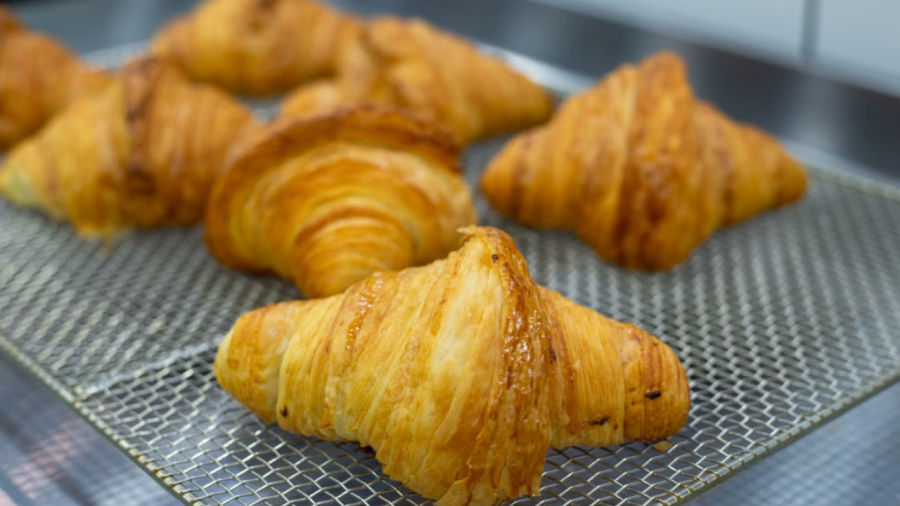
The controversy began after TikTok creator Sreenitya, known online as @TallBrownGirlll, shared footage from Le Parisien Bakery near Times Square. She alleged that the croissant she purchased for about £9 ($12) had come from Costco rather than being baked on the premises.
@tallbrowngirlll le parisien patisserie - literal robbery #nyc #scam #costco #crazy
♬ original sound - tallbrowngirlll I NYC
Her video appeared to show a delivery worker carrying croissants inside boxes labelled as Costco Organic Spring Mix. Although neither Costco nor Le Parisien Bakery has publicly responded to the claims, the footage quickly spread across social media and attracted thousands of reactions from sceptical viewers.
Customers Focus on Premium Prices
Much of the online criticism was not directed at Costco itself. Instead, commenters questioned whether businesses should charge premium prices if products marketed as freshly made were actually sourced from wholesale suppliers.
Several viewers also calculated the alleged mark-up after noting that a pack of 12 Costco butter croissants sells for just under £5 ($7). If true, that would place each croissant at roughly 40p before being sold individually for around £9 ($12), though the bakery has not confirmed where its pastries come from.
This Is Not the First Time
The latest controversy is not an isolated one. Over the years, several businesses have faced accusations of presenting wholesale food as homemade or artisan products.
One widely discussed example involved Coquin, a restaurant in South Carolina, where diners alleged frozen supermarket pizzas costing around £1.50 ($2) were being sold as gourmet Roman-style pizzas for approximately £13.50 ($18). Elsewhere, Amy's Baking Company, made famous through Gordon Ramsay's 'Kitchen Nightmares', also faced criticism over claims that some desserts were not prepared in-house.
Customers have likewise reported cafés and convenience stores slicing Costco's Kirkland Signature cakes into individual portions before selling them at much higher prices. In many of these cases, the frustration centred on the marketing rather than the resale itself.
Farmers' Markets Face Similar Claims
The conversation extends well beyond cafés and bakeries. Farmers' markets across North America have also come under scrutiny after investigations suggested some vendors were selling wholesale products while presenting them as locally produced.
One viral TikTok showing a vendor allegedly transferring shop-bought fruit into display trays attracted more than 12 million views. For many shoppers, these markets represent an opportunity to support local producers, making any suggestion of misleading sourcing particularly disappointing.
Wholesale Food Is Not Always the Problem
Using wholesale suppliers is common across the hospitality industry and is perfectly legal in many places. Restaurants regularly buy ingredients, desserts and baked goods from commercial suppliers to meet demand and maintain consistency.
The issue begins when businesses advertise products using terms such as 'homemade', 'freshly baked in-house' or 'made on the premises' if those descriptions are not accurate. Consumer protection laws in many countries prohibit misleading advertising, although the exact rules differ between jurisdictions.
Transparency Matters More Than Ever
The viral Costco croissant video may never prove where the pastry actually came from, but it has already achieved something else. It has encouraged diners to look more closely at the promises printed on menus and displayed in bakery windows.
For many customers, the concern is no longer simply about eating a Costco croissant. They want confidence that when they pay premium prices for artisan food, they are receiving exactly what has been advertised, and not just another wholesale product dressed up as something special.