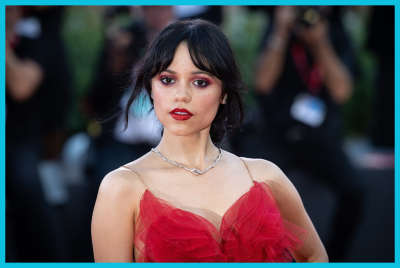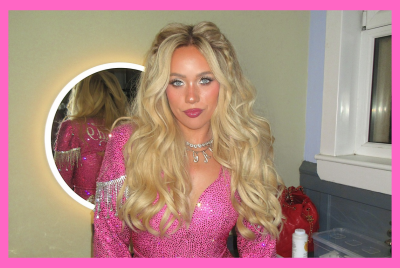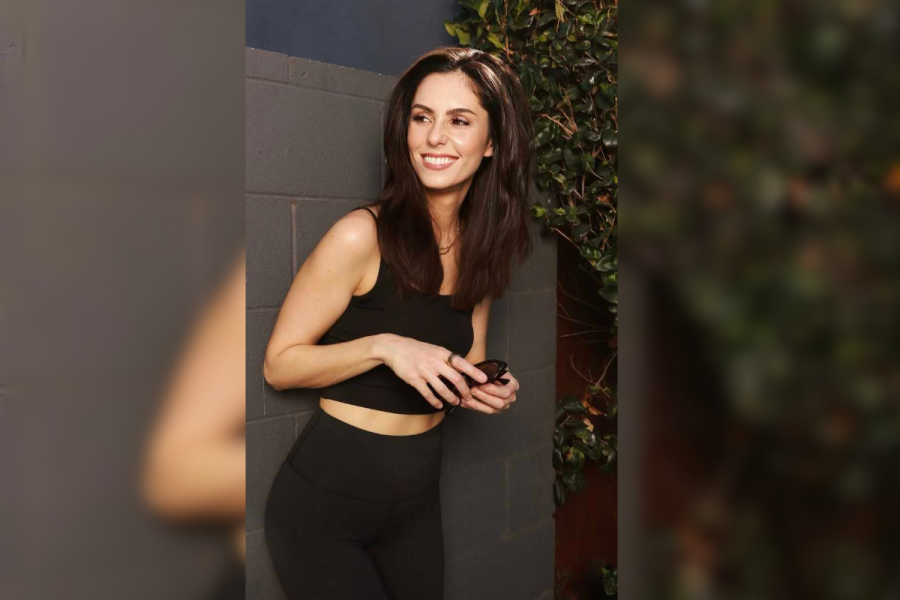
AI-generated women posing as stand-up comedians are being accused of stealing real performers' jokes to drive millions of views and promote subscription-based adult-content platforms. The accounts feature computer-generated women delivering routines originally performed by human comedians, raising questions about plagiarism, online monetisation and how social media platforms handle AI content.
An investigation published on 16 October identified eight comedians whose material was allegedly replicated by AI-generated female personas. Some videos attracted larger audiences than the originals, while links associated with the accounts directed viewers to adult-content platforms. This included OnlyFans competitor Fanvue.
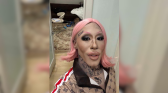
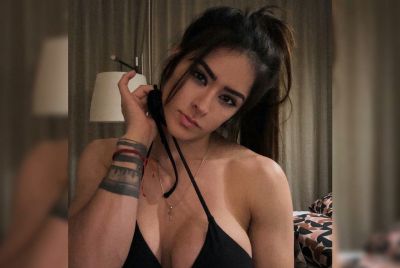
The controversy has drawn attention to accounts such as Aylen Skye and Tiffany Sloane, whose videos mimic stand-up performances while featuring jokes comedians say they created themselves. The accounts have attracted huge followings, with Sloane reportedly gaining more than 375,000 Instagram followers during the early weeks of its activity.
Stolen Joke in an AI-Generated Video
Comedian Julia Jasunas became aware of the alleged copying after another comedian contacted her about an Instagram video featuring Aylen Skye, a purported stand-up performer with a large online following. According to WIRED, Jasunas recognised a joke about renting a room in her two-bedroom apartment to an attractive man. The AI-generated character appeared to repeat the routine word for word, including the hesitations and verbal mannerisms in Jasunas's original delivery.
Jasunas suspected the account was artificial after examining its content and audience responses. She told WIRED that having her joke repurposed for sexualised content was particularly upsetting because the material was being used to generate attention and potential revenue for someone else.
She reported the video to Meta, Instagram's parent company, for impersonation. However, Jasunas said the company told her the post did not violate its community guidelines because the account was not pretending to be her. As she described it, the issue was that the AI character presented her joke as its own.
According to the report, most of Skye's posts were subsequently flagged as AI content, but the account remained online. Skye did not respond to WIRED's request for comment.


Tiffany Sloane Accused of Copying
Another prominent example involves Tiffany Sloane, an AI-generated persona whose Instagram videos feature short stand-up routines and crowd-work-style performances. Comedian George Brett Olson drew attention to the account on 3 October after posting a comparison between one of his jokes and a similar routine delivered by Sloane. The two clips featured strikingly similar staging, with both performers wearing comparable salmon-coloured shirts and khaki shorts.
Olson said he was shocked to see the material reproduced. He also argued that the resemblance extended beyond the joke itself, pointing to the similarities in the clothing and presentation.
Following his public criticism, other comedians and viewers supported Olson and said they had reported the account. Sloane subsequently deleted the video in question, along with other Reels. The account also left a comment on Olson's post apologising and saying it would not happen again, before deleting the video.
Olson's experience illustrates the difficulties performers face when trying to challenge alleged copying on social media. He said people who reported the content were told it did not violate Instagram's community guidelines.
Instagram head Adam Mosseri later responded to Olson, acknowledging the challenge of banning AI content outright while saying the company was interested in directing more traffic towards original creators. Meta's spokesperson did not provide further comment to WIRED beyond referring to the platform's existing policies.
AI Comedians Promoting Adult Content
The accounts appear to combine two forms of engagement: familiar comedic routines that can attract viewers and provocative AI-generated imagery designed to encourage users to visit linked subscription pages.
Tiffany Sloane's Instagram presence reportedly linked audiences to an OnlyFans page, while Aylen Skye's promotional website redirected them to adult content on Fanvue. These platforms are not identical, and the report does not establish that every account involved is operated by the same person or organisation.
The strategy has also attracted attention from the technology industry. Justine Moore, a partner on Andreessen Horowitz's consumer AI team, described Sloane's approach as a clever marketing tactic in a social media post. Her reaction prompted criticism from people who argued that the use of comedians' material should not be celebrated as an innovative business model.
Some accounts identify their performers as AI-generated, while others have been inconsistent about disclosure. WIRED reported that Instagram's policies address impersonation and the labelling of AI content, but do not necessarily prevent an account from copying a joke that is not protected by copyright.
Can Comedians Protect Their Jokes?
Legal protection for stand-up comedy can be complicated. Copyright may protect an original recorded performance or sufficiently original written material, but a joke's individual premise, short punchline or familiar comedic idea may not receive the same protection as a longer creative work.
The accounts also raise questions about the incentives engagement-driven platforms create. If an AI character can reuse a successful routine and attract a larger audience by pairing it with sexualised imagery, original performers may find themselves competing with content built on their own work.
As AI tools become better at reproducing realistic performers and familiar comedic styles, comedians are calling for clearer protections and more ways to report copied material. The controversy has made one issue difficult to ignore: the person who attracts the views may not be the person who wrote the joke.