
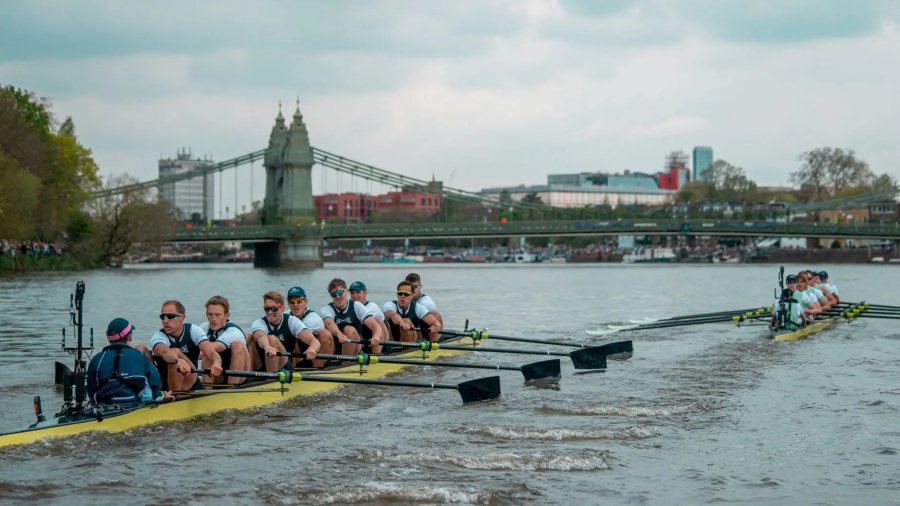
The Oxford-Cambridge Boat Race returned on 4 April much as it always does–crowds lining the Thames, people arriving early with flasks and folding chairs, and that familiar sense that something important, if slightly unpredictable, is about to happen.
But this year, if you stood there long enough, you might have noticed a slight change in the atmosphere. Nothing dramatic–just a bit more polish around the edges. That shift largely came down to Chanel, which continued its role as title sponsor, bringing with it a quieter, more considered visual presence.
A Race That Felt Both Familiar and Different
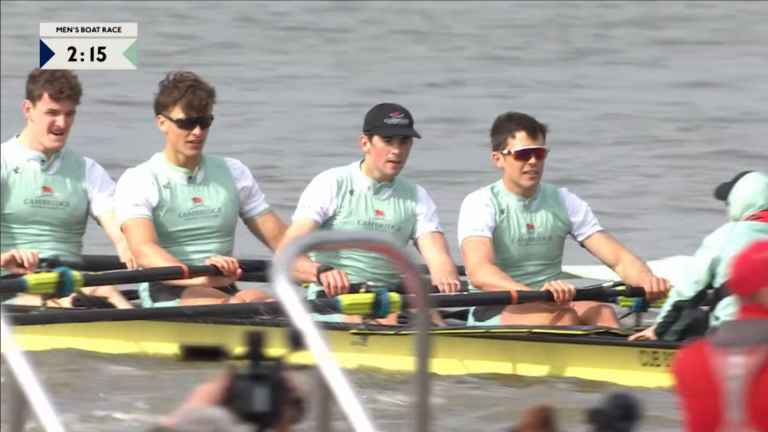
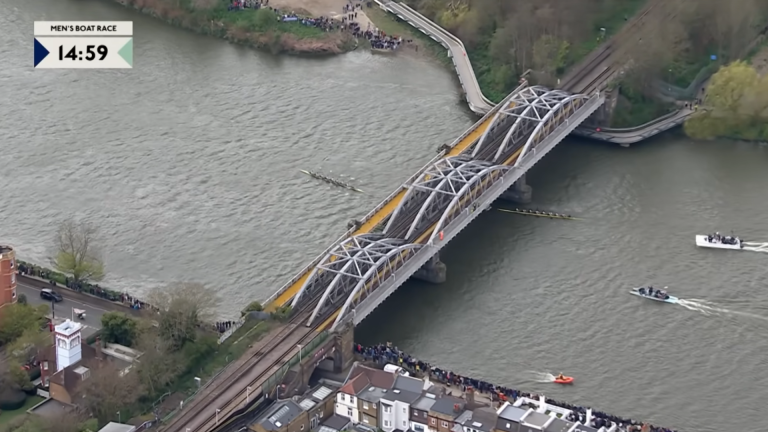
The 197th race played out along the 4.25-mile Championship Course, with the usual tension building as the crews lined up. On the men's side, the University of Cambridge delivered a confident performance, pulling ahead to win by 3.5 lengths.
The women's race, though, carried a different kind of weight. University of Oxford secured its first victory since 2016, and you could feel what that meant to people watching. It wasn't just another result–it felt like a long-awaited moment finally landing.
For a few seconds after the finish, there was a pause before the cheers fully kicked in, as if the crowd needed to take it in.
Small Details That Changed the Feel
The Boat Race has always been slightly rough around the edges–that's part of its appeal. It's not overly staged, and it doesn't try to be.
That's why Chanel's involvement stood out, even though it wasn't loud about it.
J12 flags lined sections of the river, and the branding appeared in a way that felt tidy rather than intrusive. It didn't distract from the race, but it did make everything look a bit more pulled together, like someone had paid closer attention to the presentation this time around.
As noted by Marie Claire UK, the overall aesthetic felt more elevated this year. Still, the essence of the day remained untouched–people were there for the race, first and foremost.
The Connection That Slowly Makes Sense
At first glance, a luxury watch and a rowing race don't seem like the most obvious pairing. But when you watch the crews move in sync, it starts to feel less random.
Rowing is all about timing. It's repetitive, controlled and completely dependent on everyone doing the same thing at exactly the right moment.
That idea carries over to the Chanel J12 watch. It's built around precision, but also reliability–something that becomes more noticeable the longer you think about it.
In the official programme, one contributor described both rowing and watchmaking as relying on 'precision, synchronicity and teamwork'. It's a simple way of putting it, but it fits.
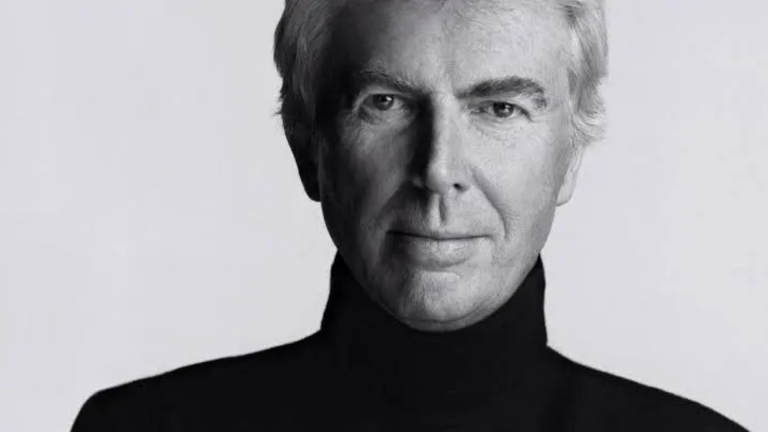
There's also a design link that adds another layer. The J12 was created by Jacques Helleu, who drew inspiration from the streamlined shapes of yachts in the America's Cup. It's not something you'd necessarily notice straight away, but it ties the watch back to the water in a way that feels relevant here.
A Different Way of Showing Up
Chanel's approach to the Boat Race also reflects a broader change in how luxury brands position themselves. It's less about being front and centre, and more about being part of the setting.
The event itself attracts a wide mix of people, including students and alumni connected to Oxford and Cambridge. That audience matters–not just because of who they are now, but because of who they'll become.
By placing the J12 in this context, Chanel isn't pushing a product in an obvious way. It's letting the setting do some of the work.
The watch itself has been around for more than 20 years, but it doesn't feel stuck in the past. If anything, it seems to be finding a new rhythm.
That's partly down to the recent appointment of Gisele Bündchen as its ambassador, which has brought it back into focus without changing what makes it recognisable.
Where Style and Sport Overlap
The UK has a long history of events where sport and style naturally mix. The Wimbledon Championships and Royal Ascot are probably the clearest examples, where what happens off the field can be just as noticeable as what happens on it.
The Boat Race isn't quite that, but it's moving in a similar direction. There's more awareness now of how it looks, not just how it unfolds.
Still the Same at Its Core
For all the small changes, the core of the Boat Race hasn't shifted. It's still unpredictable, still competitive, and still built on a rivalry that goes back generations.
Chanel hasn't tried to change that. If anything, it's simply framed a little differently.
And maybe that's why it works. The event still feels like itself–just seen through a slightly sharper lens. It's not a complete transformation, and it doesn't need to be. Sometimes, a small shift is enough to make something familiar feel new again.