Dolce & Gabbana was plunged into one of the biggest scandals in fashion history after a controversial advertising campaign in China sparked accusations of racism, triggered celebrity walkouts, and forced the dramatic cancellation of a major Shanghai runway show.
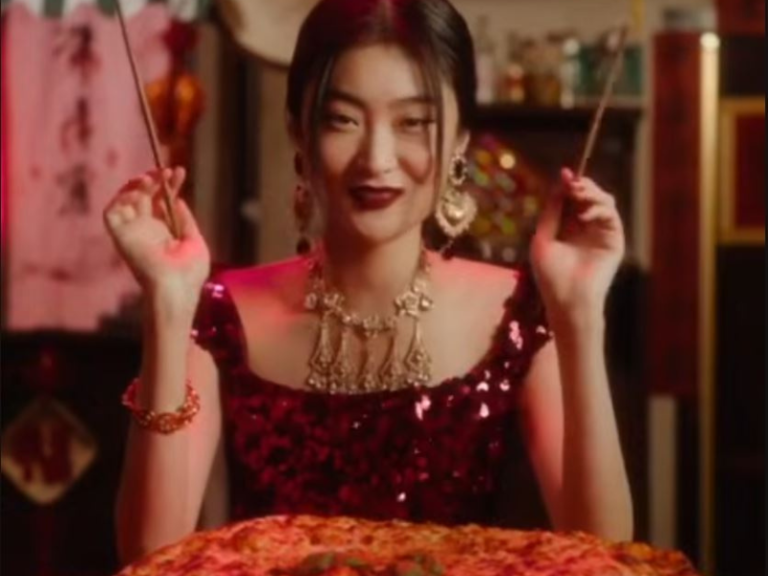
The Italian luxury label came under fierce fire in late 2018 after releasing a series of promotional videos ahead of its lavish Shanghai event, titled The Great Show. The adverts featured a Chinese woman awkwardly attempting to eat Italian dishes, including pizza, spaghetti, and cannoli, using chopsticks while a male narrator mocked her throughout the clips.
NPR reports that the campaign was immediately branded offensive by furious viewers across Chinese social media, with critics accusing the brand of relying on outdated stereotypes and humiliating Chinese culture for laughs.
One outraged commenter reportedly described the adverts as 'explicit racism', while others accused the fashion house of treating Chinese traditions as a joke. The backlash exploded within hours, forcing the company to remove the videos from Chinese platforms.
But the controversy rapidly spiraled beyond the adverts themselves.
Screenshots allegedly showing offensive Instagram messages linked to co-founder Stefano Gabbana soon went viral online. In the leaked exchanges, the designer appeared to insult China using highly inflammatory language, further intensifying public anger.
Gabbana later claimed his account had been hacked, though many social media users remained unconvinced.
Shanghai Fashion Show Descends Into Disaster
What was meant to be a glittering celebration of the brand's expansion into the lucrative Chinese luxury market instead descended into complete chaos.
Within hours of the leaked messages circulating online, Chinese celebrities, influencers, and models began withdrawing from the highly anticipated Shanghai show in protest. Several ambassadors cut ties with the company entirely as calls for a nationwide boycott intensified.
The event was ultimately cancelled at the last minute, dealing a devastating reputational blow to the fashion giant.
Major Chinese online retailers also moved swiftly to distance themselves from the scandal. E-commerce giants including Alibaba and JD.com reportedly removed Dolce & Gabbana products from their platforms, while luxury retailers halted sales following mounting customer outrage.
Industry analysts warned at the time that the backlash highlighted the enormous risks global luxury brands face when they mishandle cultural sensitivities in China, one of the world's most powerful luxury markets.
According to reports cited during the fallout, Chinese consumers accounted for roughly one-third of the global luxury market, making the country impossible for fashion houses to ignore.
Public Apology Fails to Silence Critics
According to NBC News, days after the controversy erupted, founders Domenico Dolce and Stefano Gabbana released a public apology video in an attempt to contain the damage.
In the clip, the pair expressed regret and apologised directly to the Chinese people, even saying 'sorry' in Mandarin. The designers insisted they loved Chinese culture and vowed the incident would 'never happen again'.
Yet the apology did little to calm the storm.
Critics pointed to the brand's history of provocative controversies and questioned whether the apology was genuine or merely an attempt to protect business interests in China.
The scandal has since become a cautionary tale within the fashion industry, frequently cited as one of the most catastrophic examples of cultural misjudgment by a global luxury brand.
Even years later, the Dolce & Gabbana controversy continues to be referenced whenever international companies face accusations of stereotyping or cultural insensitivity in Asian markets.