A woman's decision to dress as an Edwardian-era suffragette for Halloween has prompted a sobering reaction online, with commenters pointing out that the real horror lies in the history behind the costume. What might initially look like an elegant vintage outfit has become a reminder of the women who challenged society and risked their freedom in the fight for the right to vote.
The costume was shared in a vintage fashion community ahead of a Halloween event, but the reactions quickly moved beyond its appearance. While some praised the look and suggested wearing it to the polling station, others reflected on the struggles that made women's voting rights possible in the first place.
The Costume With a Message
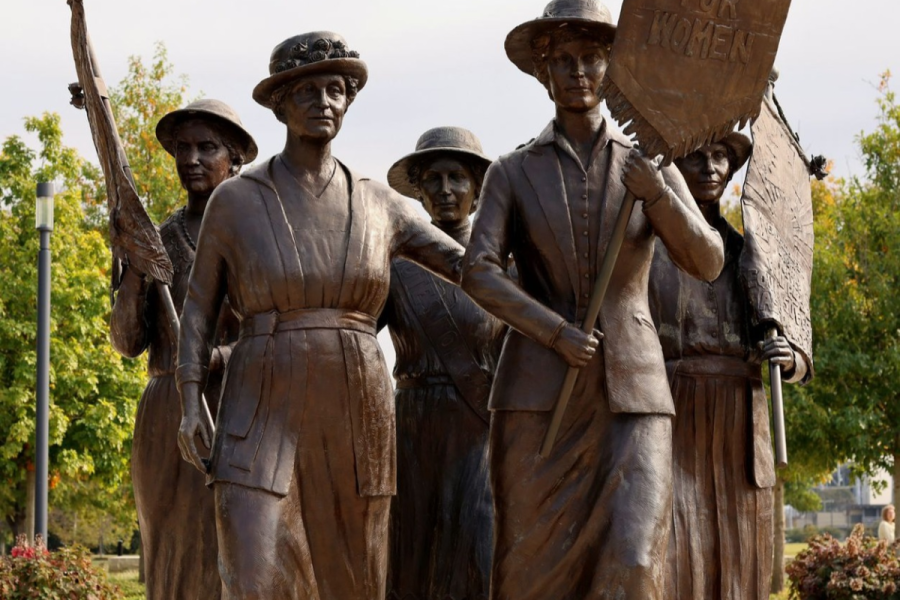
The Edwardian-inspired look draws on a recognisable period in British history, when women campaigning for political equality used clothing, public demonstrations and carefully chosen symbols to make their cause visible. Traditional suffragette-inspired outfits often feature long skirts, high-collared blouses, decorative hats and sashes bearing messages such as 'Votes for Women'.
The Women's Social and Political Union (WSPU), founded by Emmeline Pankhurst in 1903, became particularly associated with the campaign. Its colours of purple, white and green appeared on banners, badges and sashes, turning clothing into a recognisable expression of support for women's suffrage.
Viewers Call History Terrifying
The costume prompted one commenter to reflect on the uncomfortable reality behind the historical inspiration. 'This is scarier than any creepy costume because the idea we had to fight for these rights at all is terrifying lol,' they wrote, suggesting that the history itself was more unsettling than a conventional Halloween fright.
Comment
by u/JediMasterCuntnobi from discussion
in VintageFashion
Another commenter made a similar point by focusing on the sacrifices made during the suffrage movement. Their reaction shifted attention away from spooky decorations and elaborate outfits towards the women who challenged the rules of their time, often facing arrest, imprisonment and public hostility for demanding political representation.
The Fight for Voting Rights
At the beginning of the 20th century, women in Britain were still excluded from voting in parliamentary elections, despite decades of campaigning. Their rights were also restricted in other areas of life, while prevailing social attitudes often treated marriage and domestic responsibilities as a woman's expected path.
The suffrage movement included different groups with different approaches, from constitutional campaigning to the more militant tactics adopted by the WSPU. Some suffragettes were imprisoned and went on hunger strike, while others organised meetings, petitions and public processions to keep the campaign in the public eye.

The Women Behind The Movement
Emmeline Pankhurst and her daughters Christabel and Sylvia became prominent figures in the movement, although they did not always agree on tactics or priorities. Their work formed part of a much wider campaign involving women from different backgrounds who challenged the exclusion of women from political life.
Progress came in stages rather than through a single victory. The Representation of the People Act 1918 extended the parliamentary vote to women aged 30 and over who met specified qualifications, while the Equal Franchise Act 1928 gave women the same voting rights as men at the age of 21.
A Reminder About Voting
One commenter turned the historical reflection into a direct message about modern voting habits. 'What is even scarier is that some people don't honour the people who fought and died for this right, by not voting,' they wrote, expressing frustration at the idea that a hard-won right might go unused.
Comment
by u/JediMasterCuntnobi from discussion
in VintageFashion
Another response was more light-hearted, with a commenter praising the costume and suggesting: 'Wear it when you go to vote!' The suggestion connected the historical outfit to a present-day opportunity to exercise a right that earlier generations of women had campaigned to obtain.
Comment
by u/JediMasterCuntnobi from discussion
in VintageFashion
The Darker Side of Fashion
The discussion also included a pointed joke about women expressing their views. One commenter sarcastically described the most horrifying thing as 'a w*man with an opinion', using humour to underline the prejudice that women advocating for political equality once faced.
Comment
by u/JediMasterCuntnobi from discussion
in VintageFashion
Beyond the reactions, the costume offers a reminder that fashion can carry meaning far beyond appearance. Suffragettes used coordinated colours, sashes and public pageantry to communicate their cause, showing that clothing could become a tool for political visibility as well as personal expression.
The Halloween look may have been chosen for a single event, but its historical inspiration gave commenters plenty to reflect on. For those who responded, the most unsettling part was not the prospect of a ghost or a monster, but remembering that women's right to vote was once something they had to fight to secure.