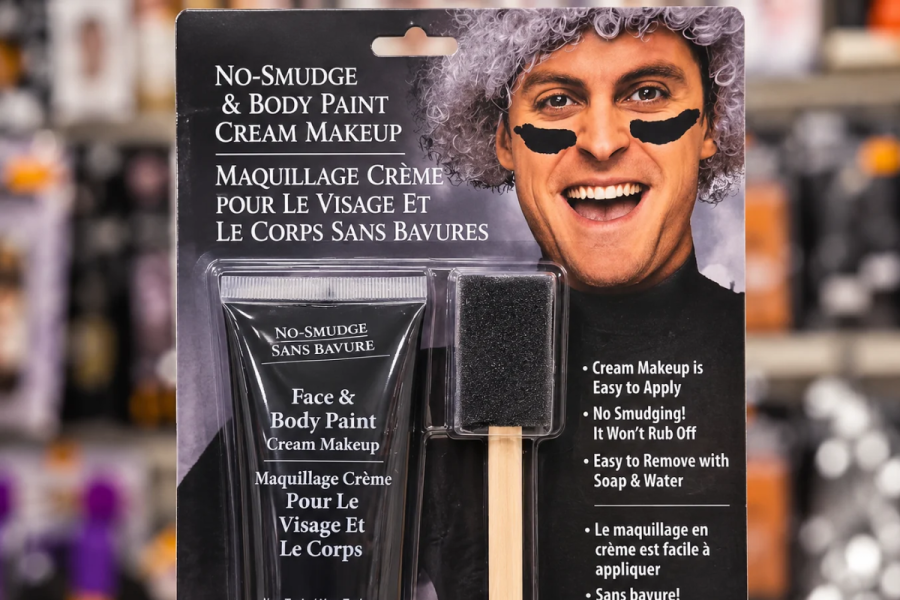
Fun World's Halloween face paint is drawing praise online after shoppers noticed that its packaging shows a model's entire face covered in several bright colours, but not in black. Images circulating on Monday, 12 October, show the brand's 3.4oz. Cream No-Smudge Face & Body Paint with Brush featuring only two black streaks beneath the model's eyes, a detail viewers have linked to the history of blackface.
The product, which is sold by arts and crafts retailer Michaels, comes in several shades, including blue, purple, green, orange, yellow and white. The contrasting packaging has prompted discussion about cultural sensitivity in Halloween marketing, although Fun World's reasoning behind the design has not been established.
The Black Paint Package Breaks the Pattern
Each colourful version features a model demonstrating how the paint looks when spread over the face, providing a visual guide to the shade inside. The black version takes a visibly different approach: the model's face retains its natural appearance, while the neck and upper body appear painted black. That combination, rather than the presence of black paint itself, has become the focus of the online conversation.
The packaging attracted attention as Halloween shopping gathered pace, with commenters quickly spotting the inconsistency. 'Culturally competent company for the win,' wrote one viewer, interpreting the difference as an effort to avoid potentially offensive imagery. The image was also shared in a post titled 'It's face paint not race paint.'
Not everyone thought the presentation was the best solution. 'Why does the whole face even need to be painted?' asked another commenter, suggesting a smaller design could demonstrate each colour without coating the entire face. Others noticed that the black paint still appears across the model's body, raising questions about where the packaging designers drew the line.


Why a Full Black Face Raises Concerns
Blackface is associated with minstrel performances in which predominantly white entertainers darkened their skin and exaggerated facial features to caricature Black people. The Smithsonian National Museum of African American History and Culture documents how blackface became a feature of American minstrel shows in the 1830s, reinforcing racist stereotypes. That history helps explain why a promotional picture of a fully black-painted face could attract criticism even when the product itself is intended for costumes.
Black face paint remains a conventional part of theatrical and Halloween makeup, including skulls, animal markings and fantasy designs. The concern is not that black pigment is inherently inappropriate, but that its presentation can evoke a history of racial mockery. The reaction to these packages centres on their possible resemblance to that imagery, not on calls to remove the shade from sale.
Halloween Marketing Under Greater Scrutiny
Target issues an apology after pulling a Halloween costume that drew backlash for its resemblance to blackface and minstrel imagery.
— Pop Base (@PopBase) August 25, 2026
“As a company, we got this wrong, and we are deeply sorry. We know this is especially hurtful for our Black guests, team members and partners.” pic.twitter.com/6ZQSlqmL7h
The response comes after US retailer Target confirmed on 24 August 2026 that it had withdrawn a children's Halloween clown costume following criticism that it resembled racist minstrel imagery. In its public statement, Target said, 'The costume is offensive and should never have been part of our assortment.' That incident involved a different product, and nothing in the circulating images establishes a connection to Target.
Fun World has not publicly explained the contrasting packaging in the material reviewed. The display's location and the age of the packaging are also unverified, making claims about a deliberate corporate decision premature. Viewers can, however, see the difference between the black packaging and the brighter shades without a statement from the brand.
Some commenters praised the perceived care, while others suggested using smaller patterns instead of painting an entire face. The visible black paint on the model's upper body prompted further debate over how far the apparent precaution went. What started with an unusual product image has become a discussion about how Halloween makeup is presented and which historical associations its advertising might unintentionally revive.