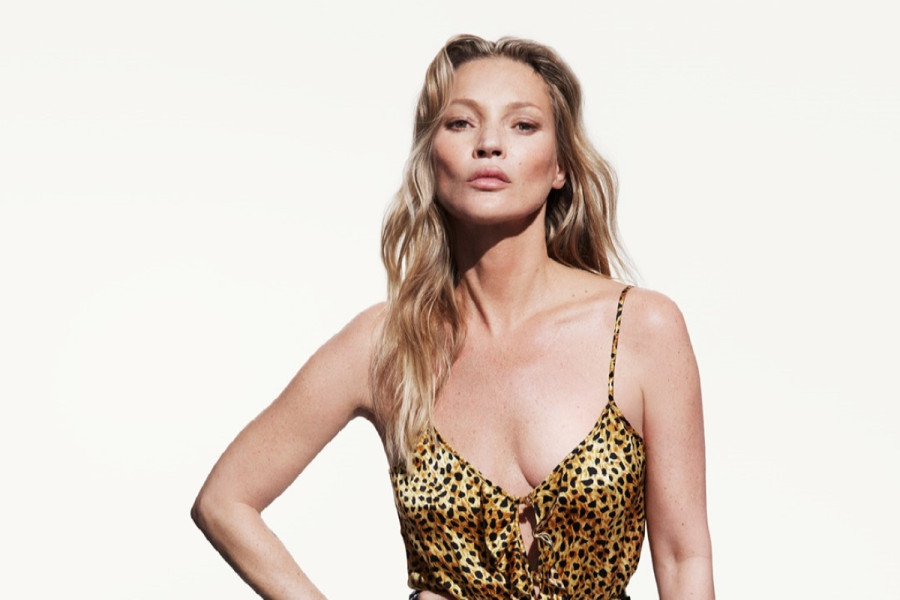
In September 2005, Kate Moss went from fashion royalty to tabloid headline overnight. One set of photographs, allegedly showing the supermodel using cocaine, triggered a global backlash that rippled through luxury fashion, high-street campaigns, and glossy magazine covers all at once.
At that point, Moss wasn't just a model. She was the model, shaping the look and feel of an entire era.
What made the moment so explosive wasn't only the images themselves, but what they represented. The fashion industry was already under pressure over ultra-thin aesthetics, party culture, and 'heroin chic' accusations from earlier years. So when the story broke, it didn't land quietly, it detonated.
The Photo That Triggered Global Backlash
The image, first published by the Daily Mirror in 2005, appeared to show Moss using cocaine during a studio session with Pete Doherty, who was then reported to be romantically linked to her.
According to Vanity Fair, it was taken from footage in which she was reportedly seen preparing lines of cocaine and sharing them with others in the room, while holding a cigarette and drinking shots of vodka and whiskey. Over roughly 40 minutes of grainy hidden-camera recording, she was said to have taken multiple lines.
Within hours of being published, the story had gone global. Within days, it had become one of the biggest celebrity scandals of the decade.
This wasn't a slow-burning controversy. It was instant, viral, and brutally public. The 31-year-old model was suddenly no longer the face of luxury campaigns. She was the face of a moral panic.
Doherty's presence in the story only poured fuel on the fire. The press didn't treat it as a single incident. It became part of a bigger narrative about excess, rock-and-roll chaos, and the darker side of fame.
How Brands Reacted to the Scandal
What happened next was fast, and pretty unforgiving.
Brands began distancing themselves almost immediately. H&M and Burberry ended or cancelled campaigns involving Moss, while Chanel later chose not to renew her expiring contract, alongside wider industry reassessments of her endorsements.
At the time, Moss was one of the most recognisable faces in global advertising, so the shake-up was huge.
It also revealed something important about the industry in the mid-2000s. Image risk had become everything. Aside from just walking runways, models were carrying billion-pound brand reputations on their backs. And when that image cracked, even slightly, companies reacted quickly.
In practical terms, Moss lost several high-profile campaigns and faced a sharp commercial backlash in the wake of the scandal. While exact financial losses were never publicly detailed, industry reporting at the time suggested she could have missed out on multi-million-pound deals, reflecting the scale of her endorsement portfolio during that period.
Still, not everyone walked away. Some designers and creatives quietly held back judgment, waiting to see what would happen next.
Stepping Away From the Spotlight
Shortly after the scandal peaked, Moss issued a brief public apology that stood in contrast to typical celebrity damage-control statements. She also spent time away from work and sought treatment following the controversy.
In the weeks that followed, she largely stepped back from public appearances as the media storm continued to unfold.
However, her absence was temporary. While several major brands initially distanced themselves, her modelling career was not over. She later returned to high-profile campaigns and runway work.
How Kate Moss Returned to Relevance
By 2006, Kate Moss was back in fashion but not in a loud, headline-grabbing way. It was gradual. Almost casual.
First came magazine covers. Then campaigns. Then runway appearances.
Her comeback was swift enough to signal continued industry demand, even as public discussion of the 2005 scandal lingered in the background.
Luxury brands returned. Editorials resumed. Campaigns rolled in again. And later on, Moss expanded her career. Instead of being defined by a single moment, her career continued to evolve across decades of high-profile modelling and campaigns.
So, Did the Scandal End Her Career?
The scandal did not end Moss' career, but it did become part of its narrative. She continued working in fashion after the controversy, gradually returning to major campaigns and runway appearances.
In fashion, longevity and visibility matter. Moss demonstrated that a high-profile setback did not necessarily prevent continued success within the industry.
The 2005 cocaine scandal was one of those rare pop culture moments where everything collided at once, fame, fashion, media pressure, and moral outrage. It looked, at the time, like the end of her career in luxury fashion. But it wasn't. It even became a turning point. A collapse, yes, but not a conclusion. The industry pulled away quickly, but it also came back just as steadily.
Years later, the scandal is still remembered but not as the thing that ended her career. More as the moment that proved just how long her career could actually last.