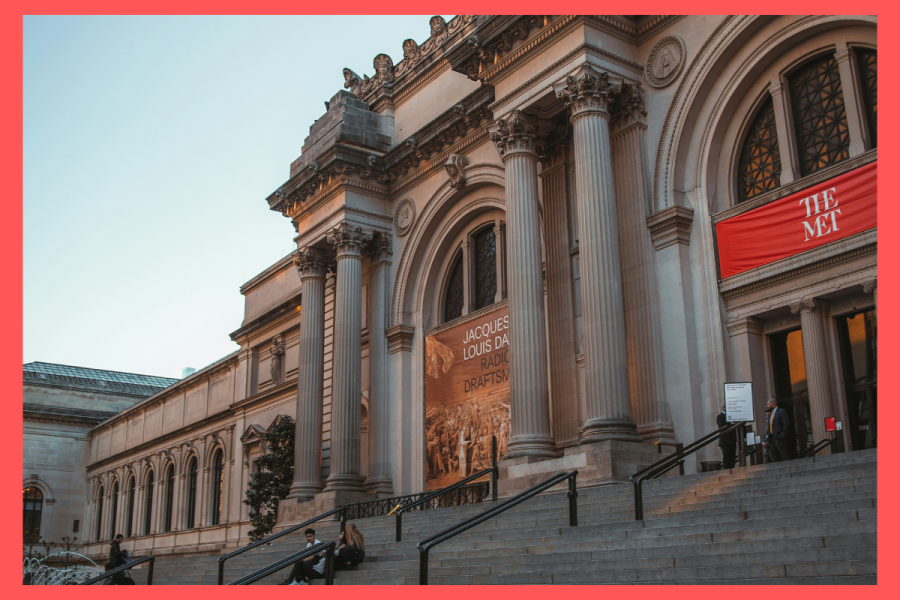
For millions, a hoodie or puffer jacket isn't a statement. It is simply what gets them through a cold commute and a long shift. At the Met Gala 2027, those same clothes are set to become high-concept, with the theme putting jeans, T-shirts, and puffers at the centre of fashion's grandest night.
The official dress code is yet to be announced, but many expect ultra-rich guests, who pay six figures for a seat, to interpret it on the red carpet. The reason behind the theme is stranger than the theme itself. When the planned John Galliano retrospective collapsed, curator Andrew Bolton admitted there was 'no plan B', and extraORDINARY: Fashion and the Poetics of the Everyday was the scramble that followed.
Why the Galliano Exhibition Was Scrapped
Galliano withdrew following renewed scrutiny of his past antisemitic and racist remarks, which cost him his job at Dior in 2011. The retrospective could not survive the backlash, leaving the museum with a gap in its calendar and a very public problem.
Bolton's admission suggests the new theme was a rescue job rather than a long-planned statement. Critics see crisis management dressed up as cultural commentary, and detail on the curatorial thinking is thin so far.
The stakes go beyond reputation. The gala funds the Costume Institute, entry is by invitation only, and fashion houses often pay for tables and fill them with celebrities, so the carpet is as much a marketing exercise as an artistic one.
Billionaires in Hoodies
Everyday clothes belong to everyday lives. The courier's uniform, the faded hoodie and the sale-rack jacket are worn by people who cannot swap them for couture at the end of the night. That is why the theme has drawn the Marie Antoinette comparison, particularly with 2026 seats reported at $100,000 (roughly £74,000) and tables from $350,000 (£260,000).
The comparison is about more than wealth. Marie Antoinette, the last queen of France before the Revolution, became a symbol of royal excess, although the line 'Let them eat cake' is almost certainly not hers. A closer parallel is her retreat at Versailles, where she wore simple country dress and played at village life, which many saw as mocking people who had no choice. Critics hear the same echo when they ask the ultra-wealthy to dress down.
This isn't high fashion's first attempt at monetising the mundane. Vetements sold DHL-style T-shirts for £185, and Balenciaga priced an IKEA-style shopper at $2,145 against the 99-cent original. Those were brands cashing in on everyday looks, but this time a museum is hosting the dress-up party.


Is It Genius Upcycling or Peak Tone-Deafness?
Tone-deafness prevails. A theme centred on repair, reuse, and everyday utility is noble, but it immediately clashes with an event built on single-use custom outfits.
The people who actually mend and reuse their clothes do so out of necessity, not because a red-carpet dress code made it fashionable. A carpet of custom couture hoodies cannot convincingly champion sustainability while setting six-figure tickets as the price of admission.
Social Media Backlash
Online reaction has been brutal and quick. One commenter called it 'a recession indicator', another asked whether it went 'from Galliano to the Gap', and a third wrote, 'So, extreme wealth will be cosplaying the "ordinary." How very Marie Antoinette of them.' A few commenters were kinder, suggesting the theme could spotlight upcycling and slow hyper-consumption.

High fashion rarely portrays ordinary life without attaching an extraordinary price tag. By swapping a high-profile controversy for an out-of-touch dress code, the Costume Institute has traded one reputational crisis for another.