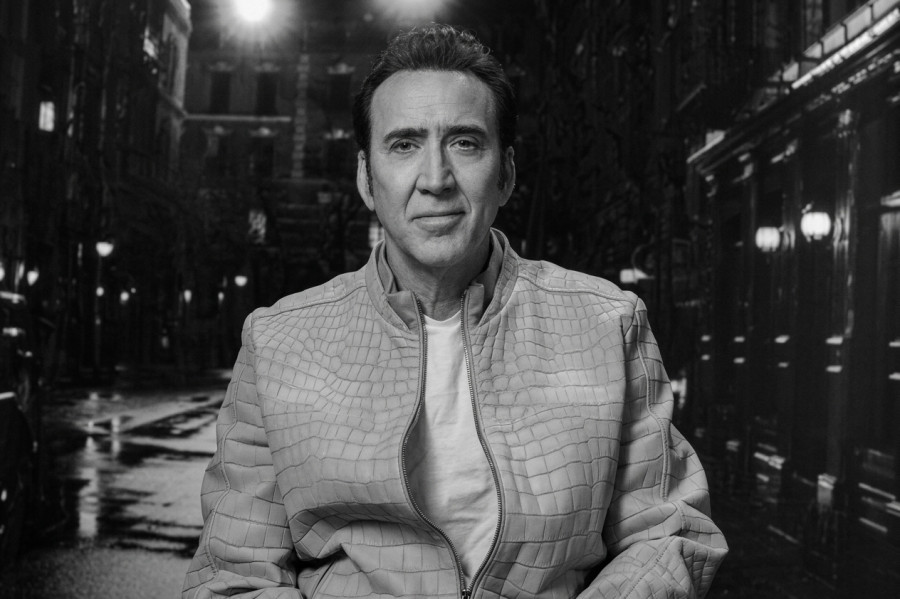
Nicolas Cage has made his feelings about artificial intelligence clear, and Amazon may have lost a future collaborator because of it. The Oscar-winning actor revealed that he refused to sign an AI waiver for Spider-Noir, raising questions about whether Hollywood stars can protect their work as studios embrace the technology.
Speaking at New York Comic Con, Cage criticised Amazon's approach to AI and hinted that he might never work with the studio again. His comments come amid growing concerns about how AI could change acting, filmmaking and performers' control over their own likenesses.
Nicolas Cage Draws a Line on AI
During his New York Comic Con appearance, Cage explained why he was uncomfortable with Amazon's reported investment in AI technology. According to Variety, he pointed to the company's relationship with OpenAI before making his position clear.
'Amazon is a very AI-friendly company, to the tune of $50 billion [approximately £37.8 billion] invested in OpenAI,' Cage said. He then added: 'I am not an AI-friendly actor, so it's like, connect those dots!'
The actor also confirmed that he had refused to give the studio permission to use AI on Spider-Noir. 'I'm not a member of their club. I didn't sign the waiver to let him use AI on "Spider Noir",' he told the audience.
Cage went on to suggest that the disagreement could affect his future with Amazon, saying: 'I'm probably not going to be working with that studio again, but that's okay.' His remarks put the spotlight on a growing tension between actors who want greater control over their work and studios exploring AI-driven production.
The dispute follows the cancellation of Spider-Noir after one season in September. Cage played Ben Reilly, an ageing private investigator who operates as a superhero in 1930s New York. The series received 11 Emmy nominations and accumulated 2.6 billion minutes viewed during its first six weeks on Prime Video.


Can Actors Protect Their Digital Likenesses?
Cage's stance reflects a wider debate in the entertainment industry over AI-generated performances and the use of actors' voices, images and likenesses. While studios can use AI for various production tasks, performers have raised concerns about consent, compensation and the possibility of their identities being used without proper permission.
The Screen Actors Guild–American Federation of Television and Radio Artists (SAG-AFTRA), a US union representing actors and other media professionals, has pushed for protections covering digital replicas and other AI-related uses of performers' work. These safeguards aim to ensure that covered uses of an actor's digital likeness involve appropriate consent and disclosures.
Several high-profile names have also spoken out against aspects of AI use in the entertainment industry. Bryan Cranston raised concerns after AI-generated videos featuring his voice and likeness appeared on OpenAI's Sora 2, while Natasha Lyonne, Mark Ruffalo, Bette Midler and Aubrey Plaza joined more than 420 entertainment industry figures in signing an open letter calling for copyright protections to be upheld as AI develops.
The debate extends beyond traditional film and television sets, with AI-generated content making it increasingly difficult to separate authentic performances from synthetic recreations. For actors, protecting their identity is becoming an important part of negotiating how their work can be used in the future.