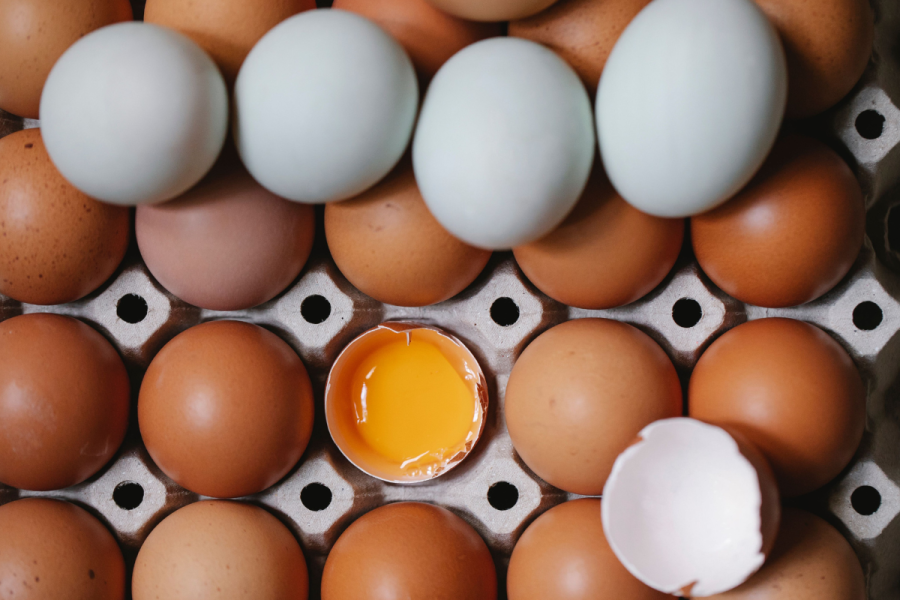
One person has died, and hundreds have fallen ill in a salmonella outbreak that health officials say may be linked to eggs imported into the UK from outside Britain.
The UK Health Security Agency (UKHSA) has confirmed 207 cases since 11 August 2025, including 199 in England, six in Scotland, one in Wales and one in Northern Ireland. More than a third of those affected were admitted to hospitals, while two people developed potentially life-threatening bloodstream infections.
The cases have affected people across a wide age range, including babies and patients as old as 90. The UKHSA, alongside the Food Standards Agency and other public health agencies, is investigating the outbreak, with officials examining a possible link to an earlier egg-linked outbreak in 2025.
Why Eggs Are Under Scrutiny
The UKHSA said the current outbreak 'may be linked to eggs imported' from outside Britain. Officials have also noted similarities with a salmonella outbreak reported in July 2025, which was also linked to imported eggs.
However, the investigation is ongoing, so consumers should not assume that every imported egg is contaminated. The warning instead highlights why careful handling and cooking remain important when preparing food at home.
Salmonella bacteria can contaminate egg shells or, less commonly, be present inside an egg as it forms. An egg can look perfectly normal while still carrying bacteria that can cause illness.
Seven Egg Safety Must-Knows
1. Cook Eggs Thoroughly
Cooking eggs until both the white and yolk are firm can reduce the risk of salmonella infection. Egg dishes such as quiches, frittatas and casseroles should also be cooked thoroughly rather than left partially raw.
2. Be Careful With Raw Eggs
Foods containing raw or lightly cooked eggs can carry a higher risk if the eggs are contaminated. This includes dishes such as homemade mayonnaise, hollandaise sauce, Caesar dressing and tiramisu. Pasteurised eggs or egg products can be a safer choice for recipes where eggs are not fully cooked.
3. Avoid Cracked Eggs
Cracks can provide bacteria with an easier route into an egg. Consumers should discard eggs with damaged shells rather than attempting to clean or cook them.
4. Keep Eggs Properly Refrigerated
Store eggs according to the instructions provided by the retailer or supplier. Keeping them chilled can slow bacterial growth and help maintain food safety.
5. Wash Your Hands
Wash your hands thoroughly with soap and water after handling raw eggs and before preparing other food. This is particularly important because bacteria can spread from hands to kitchen surfaces and other ingredients.
6. Clean Kitchen Equipment
Wash countertops, utensils, chopping boards, plates, and other surfaces that come into contact with raw eggs properly. Avoid allowing raw eggs to come into contact with ready-to-eat food.
7. Refrigerate Cooked Egg Dishes Promptly
Do not leave cooked eggs or foods containing eggs at room temperature for long periods. Refrigerating leftovers promptly can help prevent bacteria from multiplying.
Know the Symptoms
Salmonella commonly causes diarrhoea, stomach cramps, vomiting and fever. Symptoms can begin within hours or several days after infection and often last for several days.
While many people recover without specific treatment, salmonella can become much more serious in some cases. The bacteria can enter the bloodstream and cause potentially life-threatening infections, including sepsis and infections affecting other parts of the body.
Young children, older adults and people with weakened immune systems are among those more likely to develop severe illness.
Anyone experiencing persistent diarrhoea or vomiting, signs of dehydration, a high fever or bloody stools should seek medical advice. Parents should also seek advice if a child has prolonged diarrhoea, repeated vomiting, a high fever or signs of dehydration.
UK Salmonella Cases Remain a Concern
The latest outbreak comes after the UKHSA reported that Salmonella cases in England reached their highest level in a decade in 2025. There were 10,406 reported cases that year, compared with 10,389 in 2024.
Although the agency said the figures remained broadly comparable with the previous year, the rise adds context to the latest outbreak and the continued investigation into possible food sources.
Hannah Charles, lead epidemiologist for gastrointestinal infections at the UKHSA, urged people to take straightforward precautions.
'There are simple steps to prevent the spread of salmonella: wash your hands thoroughly after using the bathroom and before preparing and handling food, cook food thoroughly, and if you have any symptoms, avoid handling food for others where possible.'
With the investigation continuing, consumers do not need to panic about eggs but should take food hygiene seriously. Thorough cooking, careful storage and good hand hygiene remain some of the simplest ways to reduce the risk of salmonella at home.