Apart from snagging her crown as the youngest inductee into the Songwriters Hall of Fame, the 'Anti-Hero' singer delivered a resonant speech that was anything but swift. In her 21-minute acceptance speech, she thanked her family, friends, mentors, and peers who have all had a hand in her rise to stardom over the past 20 years. The speech also fearlessly tackled multiple issues, such as the surge of over-reliance on data and analytics in the music industry. Music is supposed to be heard and felt not calculated, and this is one of the strongest points that Taylor Swift underlined that night.
If Taylor Swift listened to metrics alone, we would never have been dancing around our living rooms while she told Romeo to hurry up and come save her already in 'Love Story'. After all, when it comes down to it, the most trustworthy data a writer can rely on is intuition.
The Love Story That Almost Never Happened
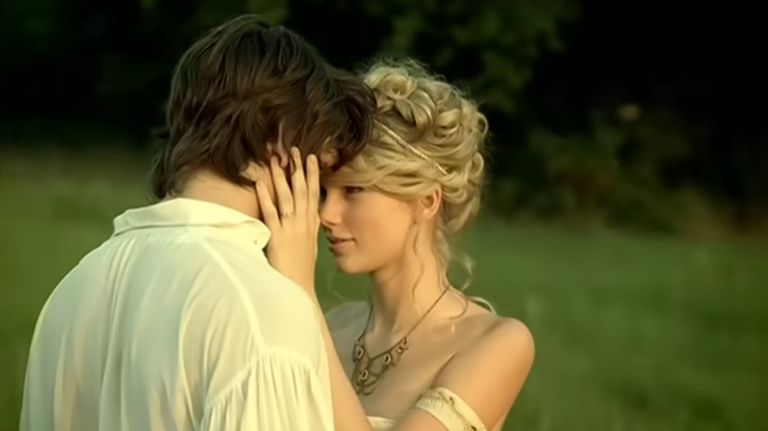
During her speech, Swift reflected on how industry professionals initially struggled to understand 'Love Story', one of the songs that would later help define the fairytale-inspired trajectory of her career. Rather than changing the track to fit expectations, she followed her instincts and finished it the way she envisioned it. The decision ultimately paid off, with the song becoming one of the most successful releases of her catalogue.
That experience formed the foundation of the advice she shared with aspiring songwriters at the ceremony. Nowadays, most trends are secretly analytics disguised in viral dance challenges and catchy lyrics.
Swift encouraged creators to trust the part of themselves that no spreadsheet can measure. 'I think now more than ever, in an industry that seems to be consumed by metrics, data, analytics, and we're all trying to predict whether something will trend or not, writers need to trust their human intuition', she said.
Swift also used the moment to praise rising singer-songwriter Sombr. She described him as 'the future' and highlighted the fact that he creates music on his own without relying on artificial intelligence. 'The kids are fine', she added, expressing confidence in the next generation of artists.
The Lucky One: Taylor Swift Makes History
Taylor Swift was officially inducted into the Songwriters Hall of Fame on 11 June 2026, making history as the youngest woman ever to receive the honour at just 36 years old. The ceremony took place at the Marriott Marquis Hotel in New York City and carried an extra layer of significance for the singer-songwriter.
This year marks exactly two decades since the release of her debut single, 'Tim McGraw', the song that introduced Swift to the world. Making her music industry debut in 2006, she made a statement as an artist who wasn't afraid to bring a softer aesthetic to the table. Moreover, from breakups to retaliations, she built a reputation as a songwriter who wasn't afraid to wear her heart in her lyrics.
Throughout her emotional rollercoaster of a speech, Swift put extra emphasis on thanking her family for supporting her ambitions. In tears and with a raspy voice (caused by her enthusiastic cheers at the Knicks game the night before), she attributed her success to her family who moved with her from Pennsylvania to Nashville.
Twenty years, fourteen Grammy awards, and an abundance of heartbreak songs later, the teenager who arrived in Nashville with a dream has earned her place among the entertainment industry's most celebrated names.
The Crown Fits Her All Too Well
From shedding 'teardrops on her guitar' over a guy named Drew to crooning about the ultimate dream of a driveway with a basketball hoop, Swift is definitely busy checking things off her wish list.
Taylor Swift's recent induction into the Songwriters Hall of Fame spoke (or sang, rather) volumes on family, gratitude, authenticity, and the fact that writers don't need artificial intelligence to succeed. Genuine intelligence is the key. After all, writers don't tell data; they tell stories.