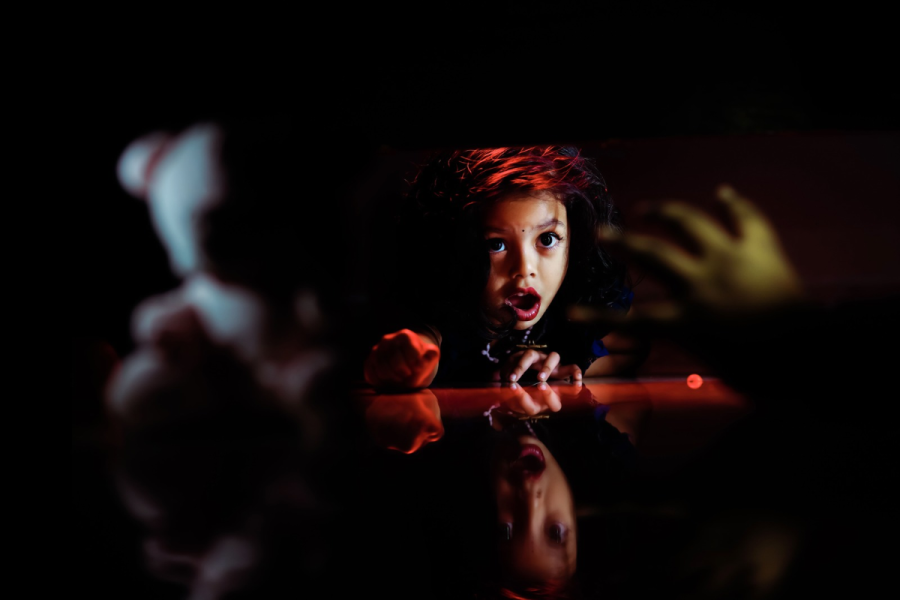
A viral bathroom scare prank has sparked a heated debate about parenting, childhood fears and whether frightening children for a laugh is ever worth it. The compilation, shared on r/cringereels on 10 October 2026, features parents using a filter that makes a frightening figure appear behind their children, capturing the youngsters' startled reactions. While some might consider the videos harmless family entertainment, others have questioned why adults would deliberately frighten their own children and share the footage online.
The backlash has raised a bigger question: where should parents draw the line between a playful prank and an experience that leaves a child feeling unsafe? Some Reddit users argue that children are resilient and will eventually laugh about the experience, while others believe that deliberately exploiting a child's fear for entertainment is difficult to justify. So, is this simply a case of adults laughing, or are the critics right to question the parenting behind the trend?
'Some People Shouldn't Reproduce': Social Media Users Hit Back
Comments beneath the compilation were far from unanimous, but many users openly criticised the adults involved. One commenter wrote, 'Some people shouldn't reproduce', arguing that parents should be the people their children can trust most, rather than the ones deliberately frightening them for amusement.
Another asked, 'Why the f*ck do parents do that to their children?!?!' Meanwhile, another user questioned whether the clips were funny at all, especially when the children appeared genuinely frightened.
One detail drew particular criticism: an adult reportedly holding a bathroom door closed. For some viewers, that went beyond a simple jump scare, raising concerns about making a frightened child feel trapped.
Other commenters questioned whether the children were being treated as social media content rather than young people whose feelings deserved consideration. The criticism was not necessarily that every child would suffer lasting harm, but that the adults appeared to be prioritising a reaction over the child's comfort.
Is It Trauma, Or Just A Childhood Prank?
The question of childhood trauma became a central part of the discussion, with commenters disagreeing about how seriously the videos should be taken.
Some suggested that the children would probably be fine once the filter was explained. Others wondered whether the experience could leave youngsters afraid of being alone in the bathroom or looking in mirrors.
One commenter made an important distinction: 'There's a wide gulf between trauma and harmless.'
That observation captures the debate without assuming an outcome. The footage does not establish that any child involved has suffered lasting psychological harm, and a frightened reaction alone is not proof of trauma. Equally, the absence of evidence of lasting harm does not mean every prank is considerate or appropriate.
Children react differently to unexpected scares, and the compilation does not reveal how each child felt after filming stopped. Did the adults explain the filter and reassure them, or did the joke end when the camera captured the desired reaction? Without that context, viewers can question the behaviour, but cannot know the full impact on the children.

'We're Fine!': Would Previous Generations See It Differently?
The backlash also brings to mind the familiar argument that previous generations grew up with practical jokes and turned out perfectly well.
Some users recalled being frightened by older siblings, describing experiences that did not damage their relationships or leave them feeling traumatised. One commenter argued that frightening children was more appropriate territory for an older sibling or cousin than for a parent.
That distinction is worth considering. A prank between siblings may be understood within an established relationship, while a young child may have different expectations of the adult responsible for keeping them safe.
However, the discussion does not establish the ages or generations of the people commenting, so it would be misleading to suggest that Gen X or millennial parents are universally defending the videos. The 'we're fine' argument is better understood as a familiar attitude towards childhood mischief than a verified generational consensus.
And even if someone remembers a similar prank fondly, does that automatically make it appropriate for another child?
When Does A Prank Become Content?
There is another uncomfortable element to the videos: the decision to film and share children's fear online.
Family content is not automatically problematic, and many parents document funny, memorable moments with their children. But when the entertainment depends on a child becoming genuinely frightened, questions about privacy, dignity and consent become harder to ignore.
Young children cannot fully understand how widely a video might circulate or how they may feel about it years later. People questioning the clips were concerned not only about the scare itself, but also about the decision to turn that reaction into something strangers could watch and discuss.
Perhaps the most telling question is whether the prank would still seem funny if there were no camera and no audience.