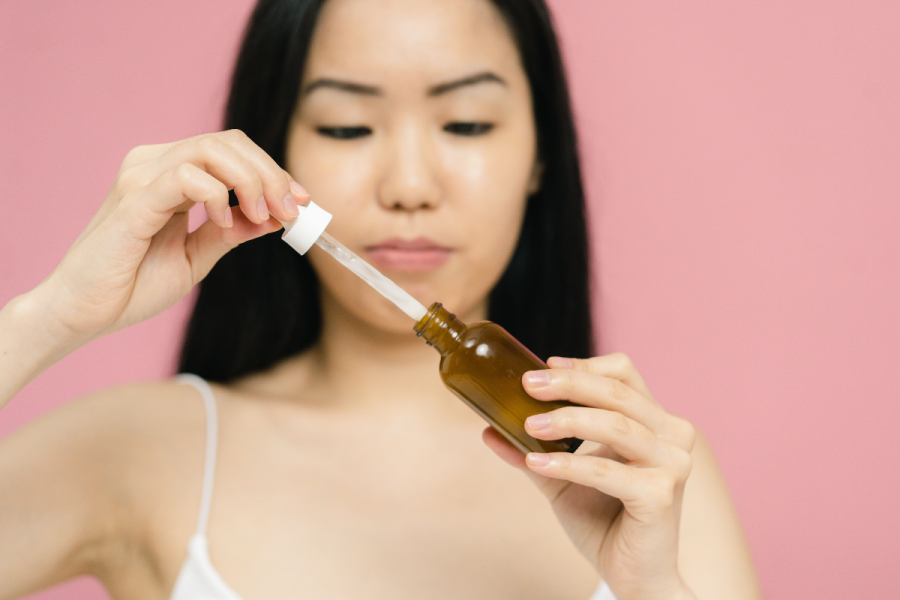
The pursuit of glass skin has become a defining feature of online beauty culture, with skincare enthusiasts layering serums, toners and moisturisers to achieve a smooth, hydrated complexion. However, new research suggests that viral skincare advice may be encouraging routines that could do more harm than good.
Inspired by Korean beauty, or K-beauty, glass skin describes a complexion that appears clear, plump and luminous. Popularised through K-pop, Korean dramas and social media influencers, the aesthetic has fuelled interest in multi-step skincare routines promising a seemingly flawless glow.
Yet the appearance of perfection online does not necessarily reflect healthy skin. Filters, lighting and editing can enhance a complexion, while the products and techniques used to recreate that look may not suit everyone.
Some Viral Skincare Videos Contain Misleading Claims
Research presented at the European Academy of Dermatology and Venereology (EADV) Congress 2026 examined 38 popular Korean skincare and glass skin videos on TikTok, and researchers found that approximately 95% contained at least one potentially misleading claim.
The findings also revealed gaps in the advice offered to viewers. According to the study, 84% of the videos failed to account for differences between skin types, while 45% promoted combinations of multiple active ingredients without adequate safety guidance. Another 32% promised instant results.
None of the videos cited an external scientific source. Only one mentioned irritation risks, and just two discussed sun protection. None addressed contact dermatitis or recommended consulting a dermatologist.
These findings raise questions about how viewers assess skincare recommendations presented with confidence on social media. A routine that works for one influencer may not produce the same results for someone with different skin concerns or sensitivities.


How Chasing the Perfect Glow Could Damage Your Skin
The risks extend beyond wasting money on unnecessary products. Using unsuitable ingredients or combining too many active substances can irritate the skin, worsen acne and compromise the skin barrier, which helps retain moisture and protect against external irritants.
A separate observational study presented at the same EADV Congress examined 94 patients who developed new or aggravated skin conditions after using products promoted on social media.
Among those patients, 42% experienced irritant contact dermatitis, which can cause redness, burning, itching and dryness. Acne onset or worsening was reported in 28%, while 12% experienced rosacea flares or rosacea-like dermatitis. Researchers also recorded post-inflammatory hyperpigmentation and superficial chemical burns.
Although these findings do not establish that every viral skincare routine causes damage, they highlight potential consequences when products are used without sufficient guidance. Over-exfoliation and poorly considered ingredient combinations can leave skin sore, tight or unusually sensitive. Inflammation may also contribute to dark marks, undermining the very complexion users hope to achieve.
Is Korean Skincare the Problem?
The concern is not Korean skincare itself, but the pressure to achieve an unrealistic aesthetic through potentially misleading online advice. Hydration, gentle cleansing and consistent skincare remain useful principles. However, no single routine guarantees glass-like skin, and natural complexions have pores, texture and variations in tone.
A simpler approach may be more appropriate: choose products suited to your skin, introduce new ingredients gradually, moisturise consistently and use sunscreen. Anyone experiencing persistent irritation should consider seeking advice from a qualified dermatologist.
Ultimately, the glass skin trend serves as a reminder that a glowing complexion should not come at the expense of skin health. Rather than copying every viral routine, consumers can prioritise evidence-based advice and realistic expectations over the pursuit of flawless skin.