Lip fillers may have dominated the pursuit of a fuller pout for years, but a considerably cheaper, non-invasive beauty staple is enjoying a resurgence, with lip liner emerging as a popular way to enhance lips without injections.
US dollar sales of lip liners rose 34 per cent in the 12 months to May 2026, according to Circana's Complete Beauty data, signalling a significant period of growth for a product once regarded primarily as a tool for sharpening the edges of lipstick.
The renewed interest comes as beauty consumers show growing interest in products that can create the appearance of fuller, more defined lips without committing to an injectable treatment.
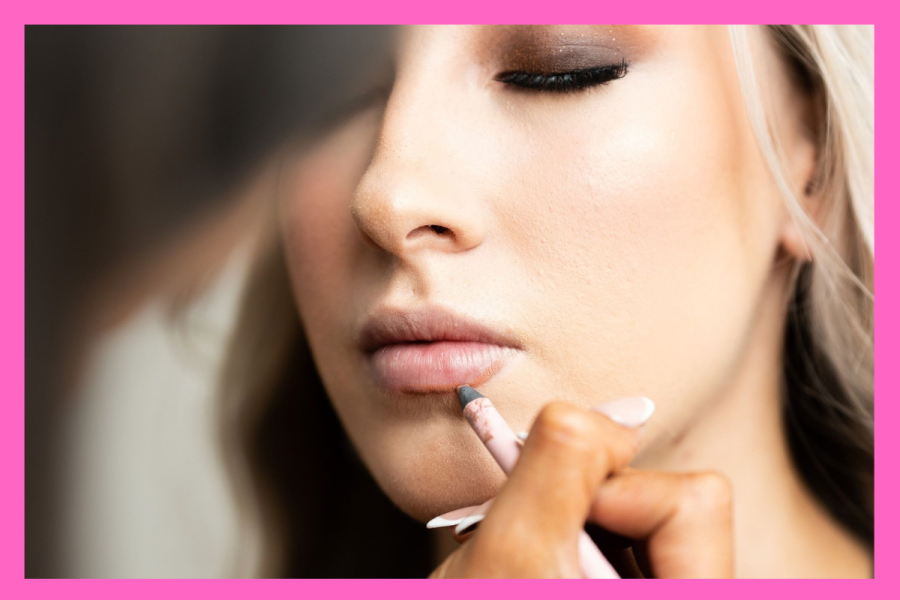
Modern lip liners now offer considerably more than a precise outline. New formulas and techniques are designed to plump the appearance of the lips, blur edges, fill and contour, allowing users to create the illusion of greater volume in minutes, and without a cosmetic procedure.
Lip Liner Gets a High-Tech Makeover
The latest boom is less about simply bringing back a nostalgic 1990s make-up look and more about how the category has evolved.
Lip liner has repeatedly returned to the beauty spotlight, from highly defined vintage lips to the darker-lined looks of the 1990s. But today's products are increasingly being positioned as multifunctional beauty tools rather than basic pencils.
Some modern formulas offer plumping or smoothing effects, while others are designed to create a softer, blurred outline that makes the lips appear fuller without an obviously drawn-on edge.
That versatility is helping the category appeal to both trend-conscious shoppers and consumers looking for practical everyday make-up.
'Lip liner's growth has been fuelled by a combination of social media virality, innovative formats that support blurring, filling and longer wear, and multifunctional products that go beyond traditional contouring,' said Larissa Jensen, Senior Vice President and Global Beauty Industry Advisor at Circana.
'The category also benefits from broader contouring and enhancement trends, as well as a degree of nostalgia. Together, these factors have helped keep lip liner relevant to both trend-driven and everyday beauty consumers.'
The appeal is straightforward: unlike lip filler, applying liner requires no needles, appointment or recovery period. Make-up can also be removed or changed immediately, giving consumers much greater control over the final effect.


The Rise of 'Filler Fatigue'
The resurgence of lip liner comes amid wider conversations about 'filler fatigue,' a term increasingly used to describe weariness with the heavily enhanced aesthetic associated with repeated cosmetic filler treatments.
It does not mean that lip fillers have disappeared or that demand for them has universally collapsed. Instead, the growing popularity of lip-enhancing make-up points to consumers having more options when they want to create the appearance of a fuller pout.
One technique gaining attention is 'halo lips,' a softly diffused lip look designed to create the appearance of greater volume around the natural lip shape.
The approach taps into a broader beauty shift towards subtle enhancement, where make-up can mimic some of the visual effects associated with cosmetic treatments without actually altering the lips.
For consumers unwilling to undergo injections, or those simply looking for a temporary and more affordable way to experiment with their appearance, lip liner offers an accessible alternative.
The category's continued growth suggests that the interest extends beyond a simple throwback to 1990s make-up. Once considered a supporting product for lipstick, lip liner is increasingly becoming a major part of the modern lip category.
And as beauty brands continue developing formulas and techniques focused on definition, smoothing and the appearance of fuller lips, the humble pencil could be helping to reshape how consumers think about achieving a more enhanced pout.