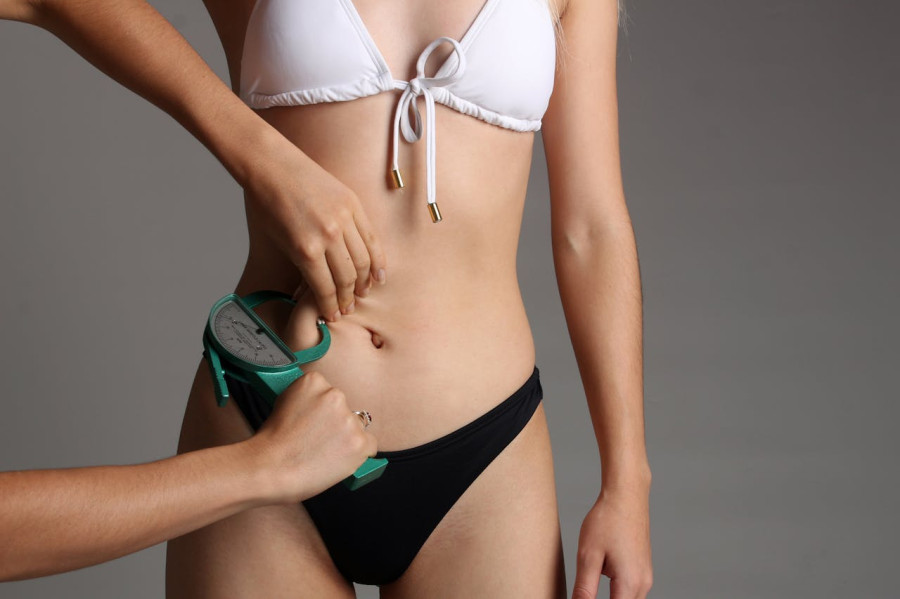
After pregnancy or major weight loss, many women experience the same frustrating moment. The scale says one thing, but the mirror says another. The stomach area can remain loose, stretched, or uneven, even after months of exercise and healthy eating.
It is one reason tummy tucks have become increasingly popular in recent years, particularly as part of so-called 'mommy makeover' procedures. These treatments, which may combine abdominal surgery with breast procedures or liposuction, are often marketed as a way to restore the body after childbirth.
Social media has played a role in bringing these surgeries into the mainstream. Before-and-after photos and candid conversations about cosmetic procedures have made them feel less taboo than they once were.
Yet plastic surgeons consistently stress that a tummy tuck should never be treated as a quick cosmetic fix. While the procedure can create dramatic results, it also involves significant costs, recovery time, and medical risks. For anyone considering the surgery, understanding the potential downsides is just as important as understanding the benefits.
What Is a Tummy Tuck?
A tummy tuck, medically known as abdominoplasty, is a surgical procedure designed to reshape the abdomen. It is considered cosmetic surgery and typically recommended for people who have loose skin or weakened abdominal muscles due to pregnancy, ageing, or substantial weight loss.
During the operation, a surgeon makes an incision across the lower abdomen to remove excess skin and fat, then tighten the underlying abdominal muscles. The remaining skin is repositioned to make the stomach look smoother and firmer.
The procedure is usually performed under general anaesthetic and can take several hours depending on the extent of the surgery. Some patients go home the same day, while others may have to stay overnight for monitoring.
A tummy tuck is not meant to help you lose weight. Instead, it targets loose skin and muscle separation that can't be easily fixed by exercise alone. This means that the operation can reshape the abdomen, but it does not replace healthy lifestyle habits.
While the results can be transformative, it's important to consider what life looks like after surgery.
Procedure Comes With High Costs
One of the most obvious downsides of a tummy tuck is the financial commitment.
In the UK, the procedure typically starts at around £5,000, but the price can go up a lot depending on the surgeon, clinic, and type of surgery done. If you include the cost of the operating room, anaesthesia, and aftercare, a more extensive abdominoplasty might run you closer to £8,000 or £10,000.
Because the procedure is cosmetic, these are usually paid entirely out of pocket. Health insurance rarely covers tummy tucks unless there is a clear medical reason.
Patients also need to factor in additional expenses that are not always included in the initial quote. These may include consultation fees, post-operative garment, prescription medications, and follow-up appointments.
For some people, the total cost can end up being higher than expected. This is one reason surgeons encourage prospective patients to plan carefully and ensure they fully understand the financial implications before committing to surgery.
Recovery Takes Time and Patience
Another factor that is often underestimated is the recovery period. A tummy tuck is major abdominal surgery, and healing takes time. Most patients need to stay away from physical activity for four to six weeks while their bodies heal.
During the first week or two, even simple movements such as standing upright or getting out of bed can feel uncomfortable. Swelling, bruising, and tightness around the abdomen are common during this stage.
People are advised to wear a compression garment for several weeks to support the healing tissues and reduce swelling. Walking is encouraged soon after surgery to promote circulation, but any complicated exercise must be avoided until the surgeon gives approval.
For people with busy schedules or young children, this recovery period can be particularly challenging. Lifting heavy objects, including toddlers, may not be possible for several weeks.
The healing process also requires patience. While early swelling improves over time, it can take several months before the final results become fully visible.
Surgery Can Leave Permanent Scars
Surgeons try to make scars less noticeable by carefully placing incisions, but this is the part of the procedure that can't be avoided. Most tummy tucks leave a horizontal scar along the lower abdomen, so it can be hidden beneath underwear or swimwear. Some procedures also leave a small scar around the belly button where it is repositioned.
Over time, these scars usually fade and become lighter in colour. However, they don't often go away completely.
Surgical scars may take 12 to 18 months to fully mature and soften. In certain cases, people may develop thicker or raised scars known as hypertrophic or keloid scars, which result from excess collagen production during the healing process.
Factors such as genetics, skin type, and smoking habits can all influence how scars heal. Surgeons recommend following strict aftercare instructions to reduce the risk of complications.
There Are Potential Medical Complications
As with any operation, tummy tucks carry medical risks. Possible complications include infection, bleeding, blood clots, and fluid accumulation beneath the skin — a condition known as seroma. Some patients may also experience temporary numbness or altered sensation around the abdomen as nerves recover from surgery.
These complications are not common when the procedure is performed by qualified surgeons, but they are well documented in medical literature. If you're planning to have this done, you should carefully look into the surgeon's credentials and make sure they are properly trained and registered.
Surgeons usually do detailed consultations and health checks before approving the procedure because certain health conditions can make complications more likely.
Thinking About a Tummy Tuck?
A tummy tuck is not a quick fix. Pregnancy after surgery, for example, can stretch the abdominal muscles again and undo some of the improvements created by the operation. Significant weight gain or loss may also alter the final outcome. People who live a healthy lifestyle and have realistic expectations about what surgery can do tend to get the best results from the procedure.
And although it can restore confidence, this surgery is not without drawbacks. Research, consultations with qualified professionals, and realistic expectations are essential parts of the process. Understanding both the benefits and the limitations will allow you to make informed decisions about your body and health.