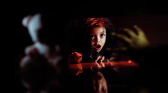
Jessica Chastain's horror film Other Mommy has sparked debate over whether its portrayal of an ambitious working mother reinforces misogynistic expectations about women's responsibilities to their families. Online discussions have focused on whether the film presents a mother's desire for a career and an identity beyond parenthood as a source of horror, while potentially holding fathers to a different standard.
The film follows Ursula, played by Chastain, a successful working mother whose troubled relationship with her young daughter, Bela, becomes entangled with a sinister supernatural presence. While some viewers believe the story unfairly scrutinises Ursula's approach to motherhood, others argue that both parents contribute to the family's dysfunction.
'Where's Other Daddy?'
In Other Mommy, Ursula's husband, Russ, played by Jay Duplass, is the more accessible parent, while Ursula's demanding career keeps her away from home. Their daughter, Bela, becomes the target of an entity that takes Ursula's appearance and offers her affection while attempting to possess her.
New trailer for ‘OTHER MOMMY’, starring Jessica Chastain and Jessica Chastain.
— DiscussingFilm (@DiscussingFilm) September 15, 2026
The film follows a young girl who is threatened by a sinister demon that looks exactly like her mother.
In theaters on October 9. pic.twitter.com/Xwu3FI6pYz
The film's portrayal of the family has prompted questions about whether audiences would judge an absent father as harshly as a mother who prioritises her career. One viewer questioned why a similar story about an emotionally absent father had not been explored through horror, asking: 'Why was there not an Other Daddy horror film 20 years ago?'
Comment
by u/PaleontologistNo5420 from discussion
in TwoXChromosomes
The viewer argued that a father who worked hard to provide for his family while his wife stayed home to raise their children might be celebrated rather than treated as a source of danger. They also criticised the film's apparent suggestion that Ursula is an inadequate female role model because she does not bond with Bela through traditionally feminine activities, such as doing makeup and painting nails.


Viewers Disagree Over Who Is To Blame
Not everyone agreed that the film singles out Ursula for criticism, with some viewers arguing that both parents are neglectful. Russ may be more present at home, but his substance use and failure to supervise Bela adequately also contribute to the family's problems.
One commenter defended this interpretation, arguing: 'It wasnt about targeting the mother, it was about targeting a child in a family that was breaking apart on all sides.' They suggested that the supernatural threat exploits the family's dysfunction rather than punishing Ursula specifically for pursuing a career.
Comment
by u/PaleontologistNo5420 from discussion
in TwoXChromosomes
Ursula's affair with family friend Frank further complicates the debate, as the story involves marital betrayal and parental neglect alongside questions about motherhood. Some viewers believe the film's portrayal of these problems makes it hard to separate Ursula's career ambitions from its broader depiction of a failing marriage.
The ending has also prompted differing interpretations. Ursula admits to Bela that she never wanted to become a mother, but Bela ultimately defeats the entity by refusing to give in to its manipulation. While some viewers see the confession as reinforcing the idea that a mother's reluctance to embrace parenthood is dangerous, others argue that Bela's decision to resist the creature is the crucial turning point.
The Debate Over Working Mothers in Horror
The discussion echoes questions raised in professional film criticism about the film's treatment of motherhood, ambition and parental responsibility. In a review for Vulture, critic Bilge Ebiri examined how the film links Ursula's career ambitions and her complicated feelings about motherhood to the supernatural threat facing her daughter.
"We've got Other Mommy right where we want her" is an actual line in the movie OTHER MOMMY. https://t.co/Ph6sEGwepI
— Bilge Ebiri (@BilgeEbiri) October 9, 2026
The controversy also raises a broader question about how popular culture portrays parents who challenge traditional gender roles. Fathers who prioritise work have often been depicted as emotionally distant or flawed, but stories about mothers who make similar choices can invite scrutiny over whether they are failing their children.
However, Ursula's infidelity and the wider dysfunction within her family make it difficult to reduce the film's conflict to her professional ambitions alone. The competing interpretations reflect a disagreement over whether Other Mommy critiques a troubled family or reinforces the expectation that mothers should put their children before their own identities. Ultimately, the debate highlights how a horror film about a family's darkest secrets can also prompt questions about gender, ambition and the unequal expectations placed on parents.