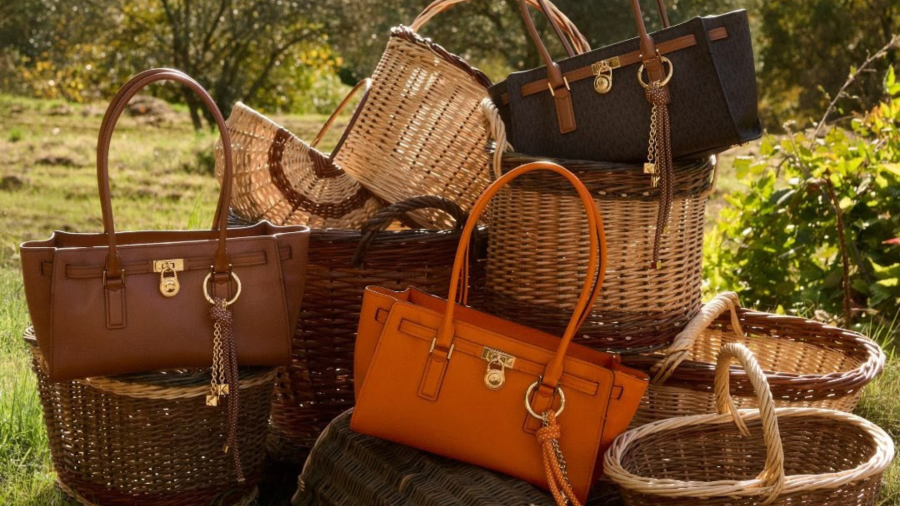
There's a quiet shift that happens when you change your bag. Not dramatic, not headline-making—but noticeable. The same coat feels sharper, the same jeans feel more considered. It's subtle, but it's there.
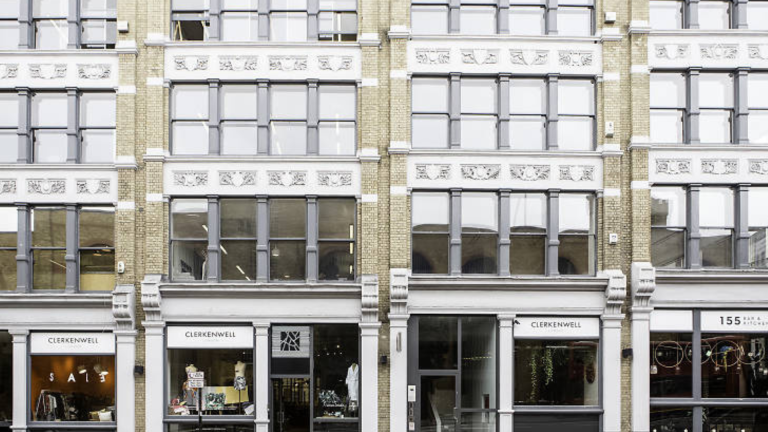
In a city like London, where personal style often sits somewhere between polished and undone, handbags have become less about necessity and more about identity. You'll spot it on the Tube, walking through Clerkenwell, or queueing for coffee in Notting Hill—the way someone carries their bag, what they choose to carry, even how worn-in it is. It all tells a story.
And while fashion will always move forward, the real value in a great bag isn't tied to a single season. It's in how it lives with you over time. The scuffs, the softening of leather, the familiarity of reaching for it without thinking. That's what makes a bag worth investing in—not just financially, but stylistically.
A Short History of Handbags: From Utility to Identity
Before handbags became fashion statements, they were exactly what you'd expect—functional objects. Simple pouches designed to carry coins, keys, or personal items. It wasn't until the rise of travel culture and luxury craftsmanship, led by houses like Louis Vuitton, that bags began to evolve into something more considered.
By the mid-20th century, structure and elegance came to define the handbag. Brands such as Hermès refined the idea of a bag as both practical and aspirational. Then came the late 90s and early 2000s, where logos, size, and statement appeal took over.
What's interesting now is that we're no longer tied to one dominant style. Instead, modern wardrobes borrow from all of these eras. A structured top-handle bag might sit next to a soft pouch or a minimalist shoulder piece—and none of it feels out of place.
That's what makes today's approach more timeless. It's not about following a single trend, but understanding what works for you.
Timeless Design Elements That Always Work
While trends come and go, certain design principles remain consistent. If you're looking to build a handbag collection that lasts, these are the details worth paying attention to.
1. Shape and Structure
Structured bags tend to feel more formal and polished, while softer silhouettes lean casual. Neither is better—it simply depends on your lifestyle. A well-balanced wardrobe often includes both.
The enduring appeal of shapes like the top-handle or the slim shoulder bag lies in their versatility. They've existed in different forms for decades and continue to adapt without losing their core identity.
2. Material Matters More Than Trends
Leather remains the gold standard for a reason. It ages well, develops character, and can last for years with proper care. That said, high-quality canvas or suede can be just as effective, depending on how you use your bag.
British brands like Mulberry and Aspinal of London are particularly known for their craftsmanship, with many styles ranging between £250 and £1,200—positioned as investment pieces that are designed to last.
3. Hardware and Finishing Touches
Zips, clasps, and straps are often overlooked, but they make a significant difference. A sturdy chain or a well-made fastening not only adds visual interest but also ensures durability.
Subtle detailing tends to age better than overly trend-driven embellishments. Think of hardware as the jewellery of your bag—best when it complements rather than overwhelms.
Understanding Style Through Classic Bag Categories
Rather than focusing purely on trends, it's more useful to understand the core categories of handbags—many of which reappear time and again in slightly updated forms.
The Everyday Shoulder Bag
Effortless and practical, this is the bag most people reach for daily. It sits comfortably under the arm, works with both casual and tailored outfits, and transitions easily from day to evening.
The Structured Top-Handle
Often associated with a more polished look, this style has long been a staple of formal dressing. It's ideal for work settings or occasions where you want to feel put-together without trying too hard.
The Clutch or Pouch
While often seen as eveningwear, the clutch has a long history that extends far beyond trends. It encourages simplicity — carrying only what you need — and brings a certain elegance to even the most understated outfit.
The Statement or Textured Bag
This is where personality comes in. Whether through fringe, embellishment, or unusual shapes, statement bags offer a way to experiment without committing to a full wardrobe change.
These styles may shift in popularity, but the idea behind them — self-expression — never really disappears.
How to Choose a Bag That Works for Your Life
A beautiful bag is one thing. A useful one is another entirely. The best choice sits somewhere in between.
Start with the practical:
- Do you need to carry a laptop or just essentials?
- Are you commuting daily or mainly heading out socially?
- Do you prefer hands-free options or something more structured?
Then consider your wardrobe:
- Do you wear mostly neutrals, or do you lean towards colour?
- Are your outfits more relaxed or tailored?
From there, it becomes easier to narrow things down. A neutral leather shoulder bag might suit everyday use, while a more distinctive piece can be reserved for evenings or weekends.
Caring for Your Bag: Making It Last for Years
One of the most overlooked aspects of buying a handbag is what happens after you take it home.
A few simple habits can make a significant difference:
- Store it properly: Keep bags in dust bags or pillowcases to protect from light and dust
- Avoid overfilling: This helps maintain the shape over time
- Clean regularly: Use appropriate leather or fabric cleaners when needed
- Rotate usage: Switching between bags reduces wear and tear
A well-cared-for bag doesn't just last longer—it often looks better with age.
The Cultural Role of Handbags
Across different cultures and eras, handbags have held symbolic meaning. They've represented independence, status, creativity—even rebellion.
In modern London, that symbolism feels more personal than ever. There's no single 'right' bag anymore. Instead, there's a mix — vintage finds, high street staples, designer investments — all coexisting.
That blend is what defines contemporary style. It's less about following rules and more about building something that feels individual.
From Trends to Longevity: What Actually Stays
It's easy to get caught up in what's new. But the truth is, most wardrobes are built on pieces that last—not just physically, but stylistically.
A well-made bag, in a shape that suits your life, will always outlast a fleeting trend. That doesn't mean you shouldn't experiment. It just means knowing where to invest and where to play.
Because the best bags aren't necessarily the most talked about.
They're the ones you keep reaching for — year after year, outfit after outfit — without really thinking about why.
And that, more than anything, is what makes them timeless.