The trench coat wasn't originally designed as a fashion icon. It was born out of necessity, mud, and harsh weather on the battlefields of World War I.
Designed to keep British officers dry and mobile in the trenches, it was never intended to become a wardrobe classic. Yet more than a century later, it's still one of the most recognisable and wearable coats in the world.
Its appeal lies in how seamlessly it transitioned from military uniform to style statement. From soldiers enduring rain-soaked trenches in Europe to Audrey Hepburn's polished Hollywood elegance, the trench coat has remained consistently relevant through every era without losing its identity.
How War Created the Trench Coat Essential
The trench coat first emerged during World War I as a practical alternative to heavy wool greatcoats. Soldiers needed something lighter, waterproof, and easier to move in while enduring long periods in the trenches. The result was a coat made for function above all else, complete with storm flaps, deep pockets, and shoulder epaulettes for military detail and utility.
Its name came directly from the environment it was designed for, the muddy, rain-filled trenches of the Western Front. According to the Victoria and Albert Museum, this coat quickly became a defining piece of British military dress and later transitioned into civilian wardrobes once soldiers returned home.
Even in its earliest form, the trench coat already had a kind of quiet authority. It wasn't flashy, but it was smart, structured, and built with purpose. That balance is exactly what helped it survive long after the war ended.
The Rival Brands Behind the Trench Coat
If you've ever wondered why trench coats feel so 'British', the answer lies in two heritage brands: Burberry and Aquascutum. Both played major roles in shaping the coat's design and legacy, and both still lay claim to its evolution today.
Burberry founder Thomas Burberry created gabardine in 1879—a tightly woven, water-resistant fabric that changed outerwear forever. This innovation became essential during WWI when durability and weather protection were critical for soldiers in the field. Burberry supplied trench coats to British officers, refining the design into something practical yet refined
At the same time, Aquascutum was also developing waterproof military garments, contributing its own version of protective outerwear for officers.
Rather than a single inventor, the trench coat is really the result of parallel innovation. Two British houses, both responding to the same wartime need, ended up shaping one of fashion's most enduring silhouettes.
Entering Hollywood's Golden Era
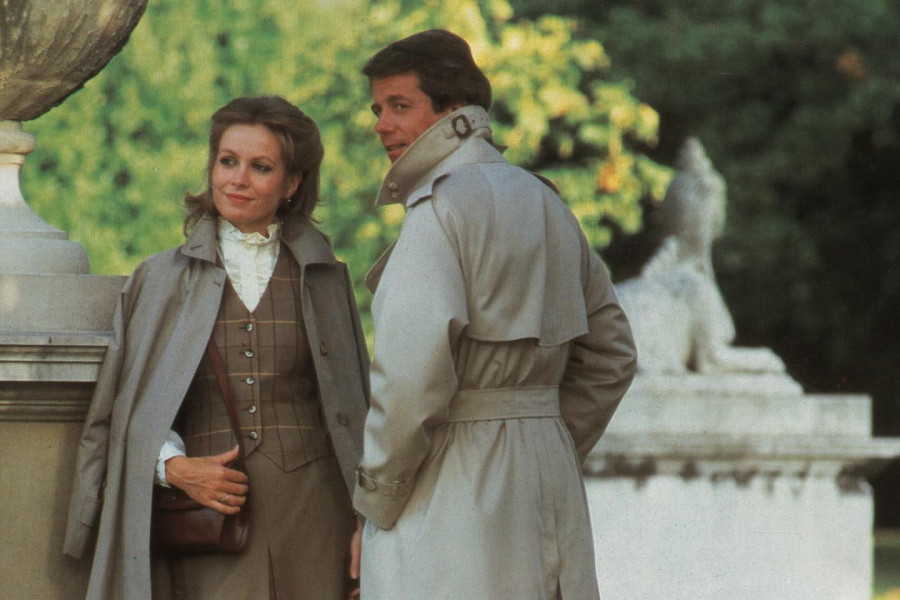
The real turning point for the trench coat came when it left the battlefield and entered the world of cinema. In Hollywood's golden age, it became a visual shortcut for mystery, confidence, and effortless cool.
Film noir especially embraced the trench coat. Think shadowy detectives, rain-soaked streets, and that unmistakable silhouette cutting through the fog. Suddenly, what was once military uniform became a symbol of intrigue and style.
Then came Audrey Hepburn.
Her appearances in tailored outerwear helped reframe the trench coat as something elegant, feminine, and undeniably chic. Instead of looking rigid or purely functional, it became softened by styling—cinched at the waist, paired with sunglasses, and worn with quiet confidence.
From that moment, the trench coat wasn't just clothing. It was character.
The Enduring Power of Trench Coat
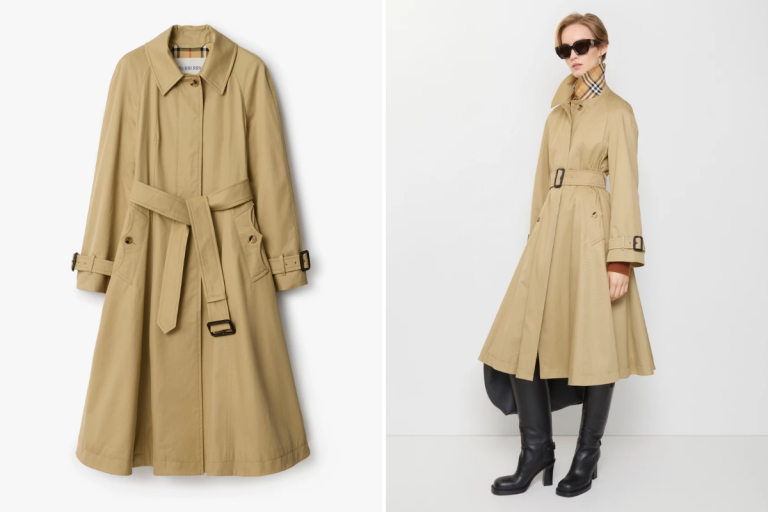
Fast forward to now, and the trench coat hasn't lost its place in fashion. It's only expanded its reach. Designers continue to reinterpret it every season, playing with proportions, fabrics, and shapes while keeping its core identity intact.
You'll see oversized trenches on street style stars, cropped versions in contemporary collections, and classic beige cuts still dominating high-street rails. The beauty of it is that it adapts without needing reinvention. It already has a strong foundation.
More importantly, it works for almost everyone. It can look sharp over tailoring, relaxed with denim, or polished with minimal accessories. That flexibility is why it continues to feel relevant, even in fast-moving fashion cycles.
A Piece That Never Lost Its Identity
The trench coat's journey from muddy battlefields to polished city streets is one of fashion's most remarkable transformations. It didn't start as a style statement, but it became one through function, innovation, and cultural reinvention.
What makes it truly timeless is not just its design, but its ability to shift meaning—from protection in war, to mystery in cinema, to effortless elegance in everyday life. Few garments carry that much history while still feeling modern.
Even today, slipping on a trench coat feels like stepping into a piece of living fashion history. It's practical, iconic, and quietly powerful—just as it was over a hundred years ago.