A 12-year-old poet has turned one of the world's most widely used artificial intelligence tools into the subject of a winning spoken-word performance, challenging audiences to reconsider their growing dependence on technology.
Blake Mackenzie, a Year 6 student from Newcastle, New South Wales, won the youth title at the 2026 Australian Poetry Slam with his poem Dear ChatGPT. He delivered the piece at the Sydney Opera House on 25 October, earning recognition for a performance that questioned AI's influence on friendship, education, and independent thinking.
The Australian Poetry Slam confirmed Mackenzie's victory on its official website, naming him the 2026 youth co-champion alongside adult champion Bivor, a poet from Alice Springs. The winners share a prize package valued at A$20,000 (around £1,055).
A Poem That Challenges AI's Promise of Connection
Rather than presenting artificial intelligence as a distant technological concern, Mackenzie addresses ChatGPT directly, turning the chatbot into the subject of a conversation about what people might be losing as they increasingly rely on digital tools. One of the poem's most pointed lines reads, 'Your friendship is endless so why do I feel friendless?'
The question draws attention to a contradiction at the heart of AI companionship. Chatbots can respond at almost any hour, capable of generating reassuring messages and maintain conversations on demand. Yet their constant availability does not necessarily translate into the mutual understanding and emotional connection people experience through human relationships.
Mackenzie also challenges the way AI systems can encourage users to keep returning to them: 'You're designed to addict us and never contradict us,' he says in the poem. It asks whether an endlessly accommodating digital companion can become a substitute for meaningful disagreement and independent judgement.
The lines give the poem a broader significance beyond criticism of one chatbot. As conversational AI becomes more accessible, questions about how people use these systems, and the emotional trust they place in them, are becoming increasingly relevant.
Why the Next Generation's Relationship With AI Matters
Mackenzie's perspective is particularly striking because he belongs to the generation growing up alongside these technologies. For young users, AI can serve as a study aid, writing assistant, or source of explanations. However, its convenience also raises questions about whether children are developing their own skills or allowing software to do too much of the thinking for them.
The poet has pointed to his classmates using ChatGPT to summarise books assigned in school instead of reading the original chapters. His criticism focuses on the value of doing the work itself, not simply obtaining the information needed to complete an assignment. Mackenzie challenges the notion of technology as an aid in learning and the risk it becomes as a shortcut for skills that students are supposed to develop.




The Environmental Cost Behind Digital Convenience
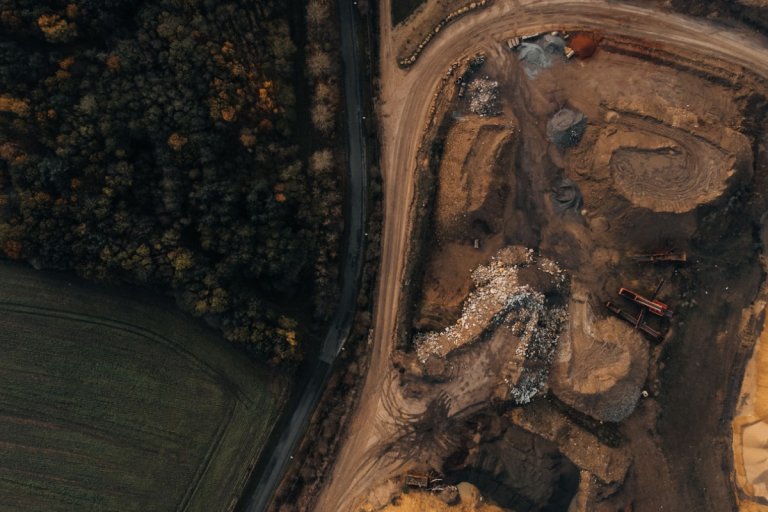
Mackenzie's poem also challenges audiences to look beyond their screens and consider the resources that make AI possible. Although chatbots operate through digital interfaces, the systems behind them depend on physical data centres, which consume electricity and may use water for cooling.
The environmental impact varies according to the infrastructure, energy sources, and cooling methods involved. The young poet questions whether the resources required to operate AI systems are being used wisely, particularly when people turn to the technology for tasks they could reasonably complete themselves.
His argument introduces a larger question about technological progress: how should society balance the benefits of increasingly powerful tools against their environmental and social costs?
A Win for Original Voices in the Age of AI
Mackenzie's achievement also carries an irony that makes the performance particularly timely. At a moment when AI tools can generate poems, stories and speeches in seconds, his winning piece uses spoken-word poetry to argue for greater awareness of what technology might take away.
Mackenzie ends the poem by saying that he will finally set himself free from the chatbot. Dear ChatGPT does not need to argue that artificial intelligence has no place in modern life. Its more pointed challenge is whether people can recognise when convenience becomes dependence.
His victory places those interests on a national stage, giving a young writer the opportunity to bring questions about technology to a much wider audience. The competition's 2026 season featured 65 heats across 60 towns and cities before finalists gathered at the Sydney Opera House. Mackenzie and Bivor will have opportunities to represent Australian spoken-word poetry through festival appearances and other performance opportunities.
For a 12-year-old poet, that question has become the foundation of a national award-winning performance. It's a reminder that, even in an age of machine-generated words, a human voice can still make an argument that demands to be heard.